Rain after drought: flooding and the first flush of pollution
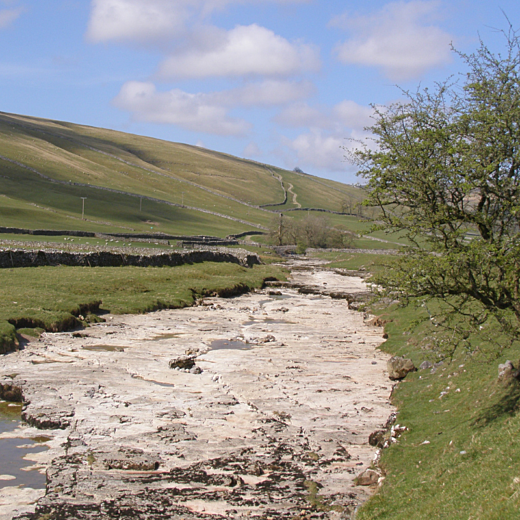
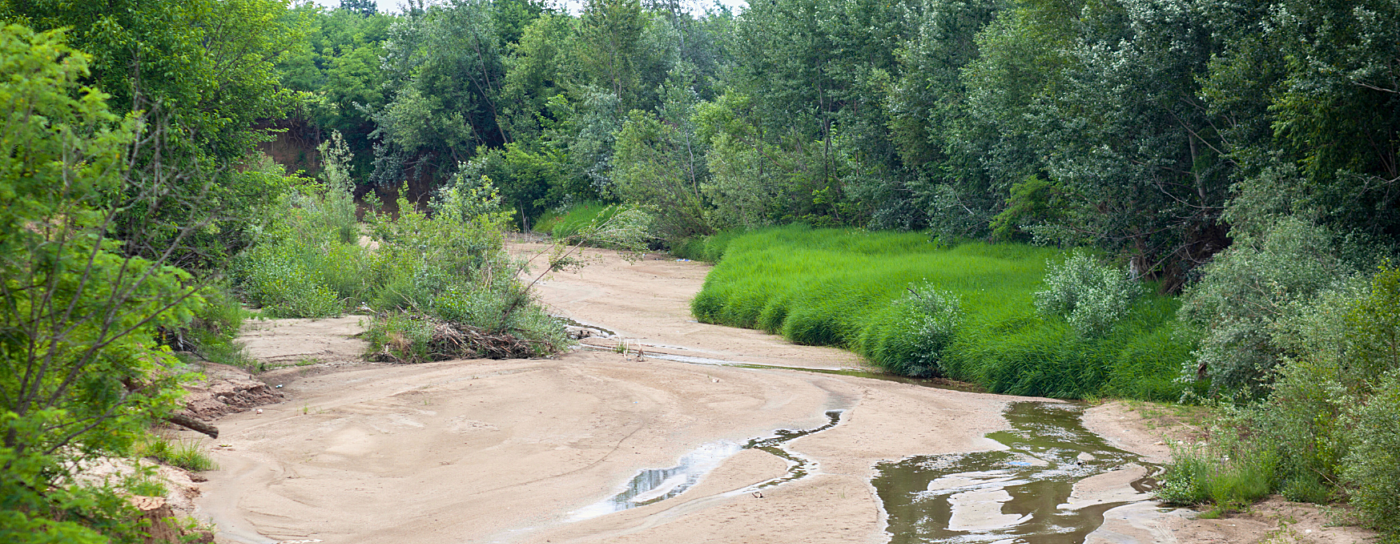
After a prolonged dry and hot spell, many of us across the UK are welcoming back the sight of rain this week. While more water is good news for our very low rivers, that’s not the whole story: rain after drought can also bring flooding and a flush of pollution.
17/07/25
Blog
After a prolonged dry and hot spell, many of us across the UK are welcoming back the sight of rain this week. Our rivers and reservoirs are running low, our aquifers and groundwater need recharging, and our crops and green spaces need hydration.
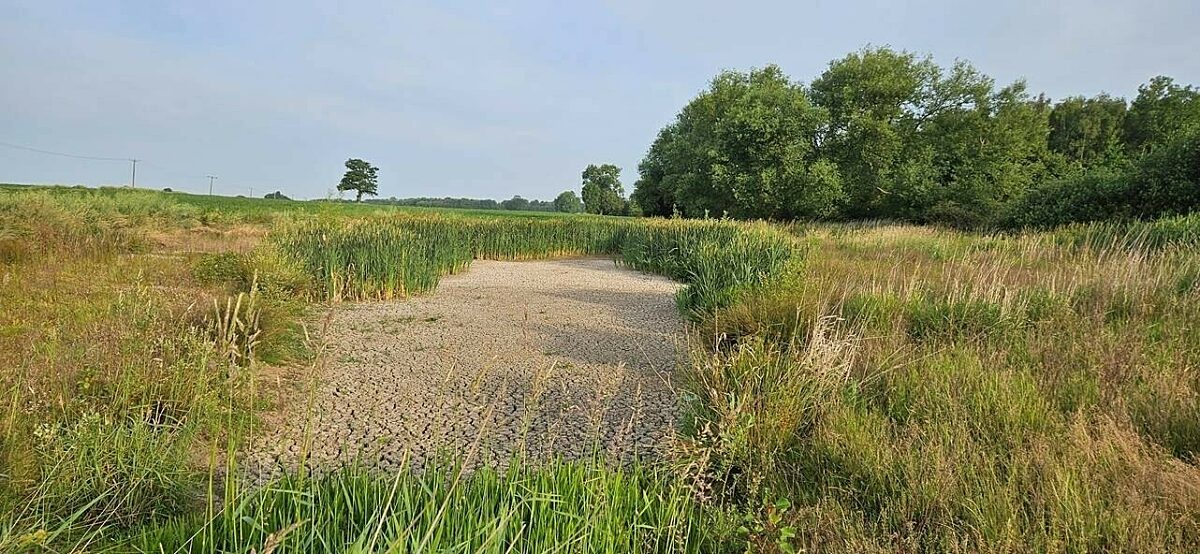
But there’s more to the story. Heavy rains falling on exceedingly dry ground are more likely to cause flooding. A dry landscape – particularly one where vegetation is sparse or concrete is king – struggles to act like a sponge and soak it all up. This results in surface water flooding and rapid water run-off into our rivers and sewers, rather than the kind of deep water-holding that nourishes our land and builds our water supplies up.
This can overload our waterways and drainage pipes, causing damage to communities and dangerously high river levels or flooding. The combined sewer system deals with this volume of water by discharging some of that rainwater into rivers through combined sewer overflows (CSOs), bringing with it anything we’ve flushed and resulting in untreated sewage polluting rivers.
Pollution load is also a matter of timing; the first rainfall for a long time will drag all of the pollutants that have built up over the past few months from our cities and countryside into our rivers – all the particulates and oils left on roads from our vehicles, any fertilisers or muck spread on crops during the spring, and the things carelessly discarded as litter, like plastic bottles, cigarette butts and disposable vapes. This is known as the ‘first flush,’ and creates a highly toxic environment.
The long-term threats brought by the first flush of pollution will affect life in and around rivers for a long time after the rain falls.
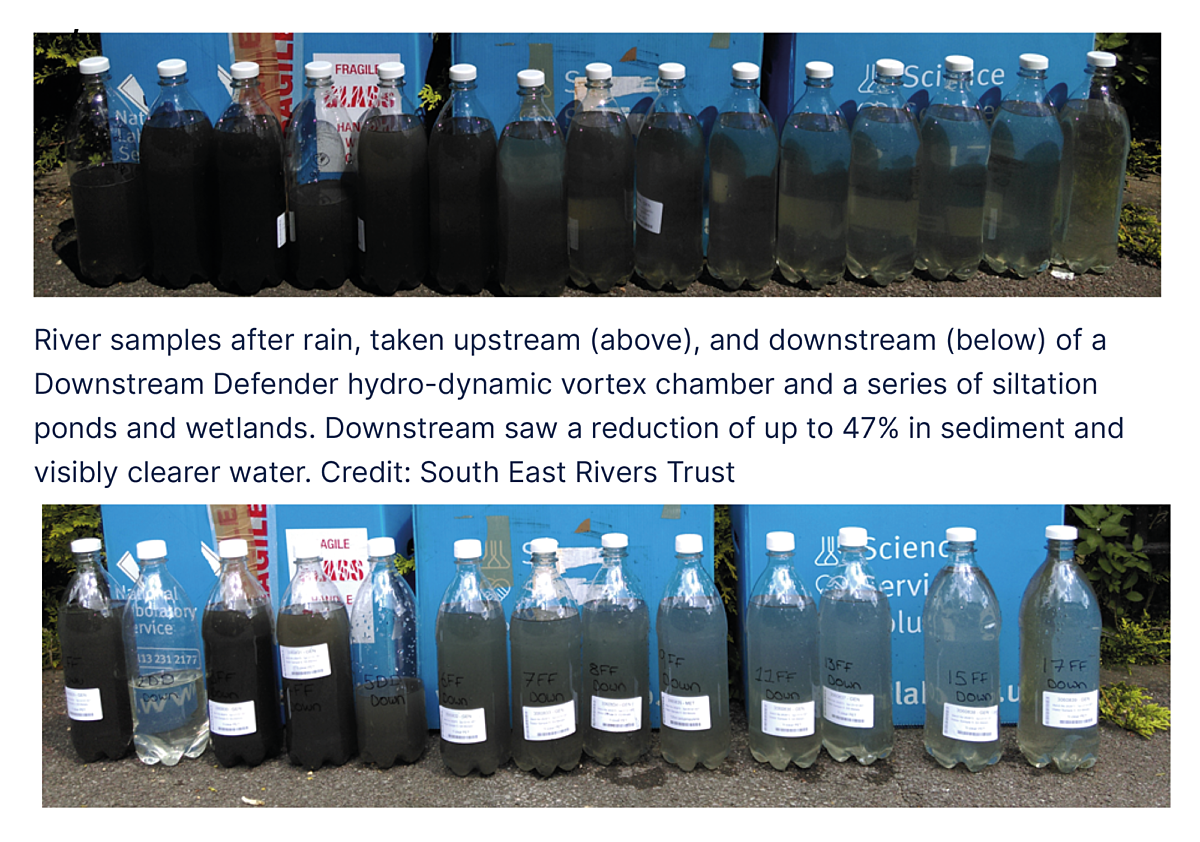
To address this, we can look to a range of grey and green infrastructure. In high risk or heavy load areas, hydrodynamic vortexes can spin some of the pollutants associated with road run-off, such as heavy metals, out of the water before it continues downstream. Nature-based solutions also offer important answers; strategically placed siltation ponds and wetlands can slow the flow of water travelling out of urban areas, filtering the water by allowing some pollutants to drop out of the water and into the sediment. South East Rivers Trust used both of these methods to address road run-off in Richmond Park. Regular samples were taken during a period of rain to show the effects of the interventions on the first flush. Downstream, sediment was clearly reduced, and water in the river became visibly clearer far faster than the river section without interventions.
Vegetation can be a key ally in helping us manage water quantity as well as quality – especially as we experience increased weather extremes. Tree planting across catchments can help our landscape hold on to rainwater and release it to rivers more slowly, mitigating the risk of flooding and helping more soak into groundwater stores. Riparian buffers (corridors alongside rivers planted up with trees and shrubs) can slow the flow too, but also provide a vital buffer for pollutants that might run into rivers from farmland – helping to keep nutrients and soil on fields.
Our Making Space for Water campaign, launched with National Trust, Woodland Trust and Beaver Trust, is calling for more government funding for farmers and landowners to create and maintain nature-rich river corridors, including though use of river buffers. Find out more and sign the petition using the links below.
Find out more about drought, water scarcity, and how to reduce your personal water footprint here.
Making Space for Water
We’re calling on the UK government to make #SpaceForWater by urgently supporting farmers and landowners to create and maintain a network of nature-rich river corridors.
To do this, YOUR support is vital: