UK drought pressure rises: With a hosepipe ban in Yorkshire, what can we do to save water and ease pressure on rivers?
With a hosepipe ban now in place, Yorkshire’s dry spring and hot summer forecast raise wider questions about how we manage and protect our water resources.
09/07/25
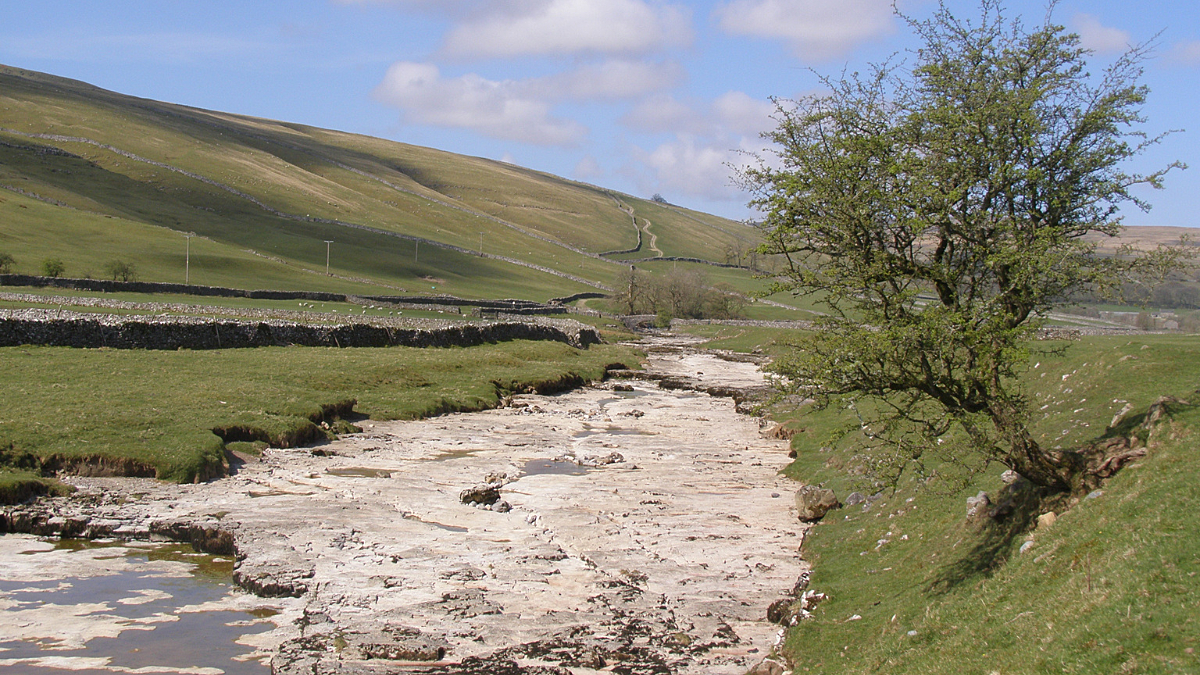
This year, Yorkshire experienced its driest and warmest spring on record, with just 15cm of rainfall across the region. As a result, the Environment Agency officially declared a drought in June, and forecasts predict that the hot, dry weather will continue into the summer. As temperatures rose, so did the demand for water, with Yorkshire Water producing and supplying an additional 4.3 billion litres of water between April and June, compared to a typical year. Reservoir levels in the region have fallen to just 55.8%, which is over 26% lower than the level normal for this time of year.
To help protect the remaining supplies, Yorkshire Water has announced a hosepipe ban, putting temporary restrictions in place from the 11th of July. The ban will stop people from using a hosepipe to water gardens, wash private vehicles, fill domestic pools or clean outdoor surfaces.
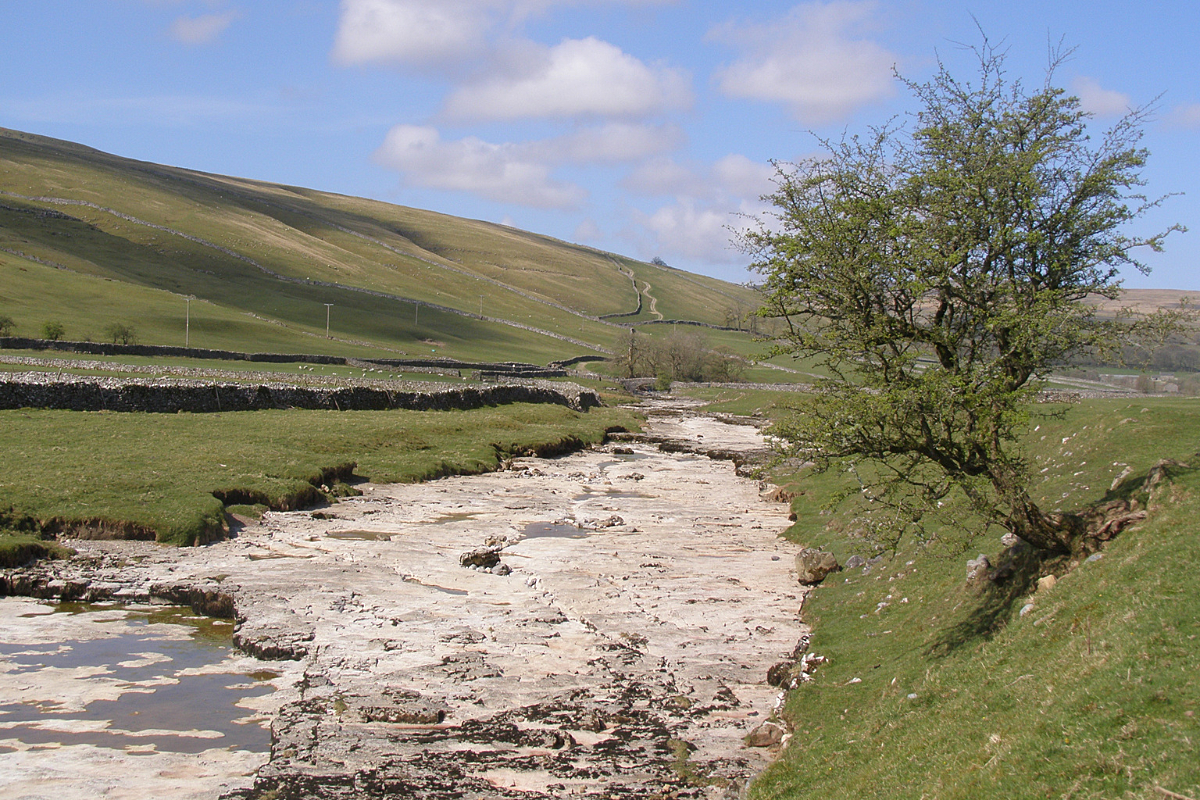
The prolonged dry weather is also affecting rivers and the wildlife that depend on them. Lower water levels can worsen pollution concentrations and reduce available habitat. Mark Lloyd, Chief Executive of The Rivers Trust, warns that measures implemented by water companies to meet the demand may place further pressure on already vulnerable ecosystems and expects similar actions in other parts of the country:
“Sadly, the measures will also probably include drought permits that allow the company to take more water from rivers than normal, which will have severe impacts on river wildlife which is already struggling. It will be very surprising if other companies don’t have to follow suit unless the weather changes dramatically.”
Not an isolated issue
It's not just Yorkshire that's feeling the heat. 2025 has seen the warmest and driest spring in the UK for over 50 years, and these conditions are likely to become more common as the effects of climate change intensify. To secure future water supplies, we must urgently rethink how we view and manage water. The UK can no longer rely on the assumption that it is a consistently wet country with an endless supply of rain.
We need to treat water as the precious resource it is, managing it close to where it falls and valuing the vital role it plays in both our environment and economy. By redesigning our cities and countryside to absorb and retain water through nature-based solutions such as wetlands, healthy soils, rewiggled rivers, and restored aquifers, we can slow the flow of water across the landscape. This helps to reduce the risks of both drought and flooding, filters out pollutants, and supports thriving ecosystems for both people and wildlife.
How can we help?
While large-scale change is needed, we can all make a difference through simple actions at home and in the garden. When multiplied across millions of households, even small steps add up. So, as the summer heat continues, what are the easy but significant actions we can all take to ease the pressure on our water supplies and rivers?
In the home
- Turn off the tap when brushing your teeth, shaving or washing up. It’s easy to forget, but this simple habit can save up to 9 litres every minute.
- Only boil what you need. Whether it's the kettle or a saucepan, using less water means using less energy too.
- Showers instead of baths. A quick five-minute shower can use half the water of a standard bath.
- An easy upgrade for your toilet. A water-saving device in your cistern can cut down each flush by 1 to 3 litres.
- Fix that leak. Dripping and leaky taps waste an average of 13 litres per day.
- Use when full. Dishwashers are surprisingly often more efficient than washing up by hand but make sure to fully load it before running, the same goes for washing machines.
- Save and reuse. Cooking pasta or rinsing veg? Use that water on your plants instead of pouring it down the drain. Similarly, if you need to run your tap for a while before it gets hot, collect that water and use it in the garden.
Speaking of the garden
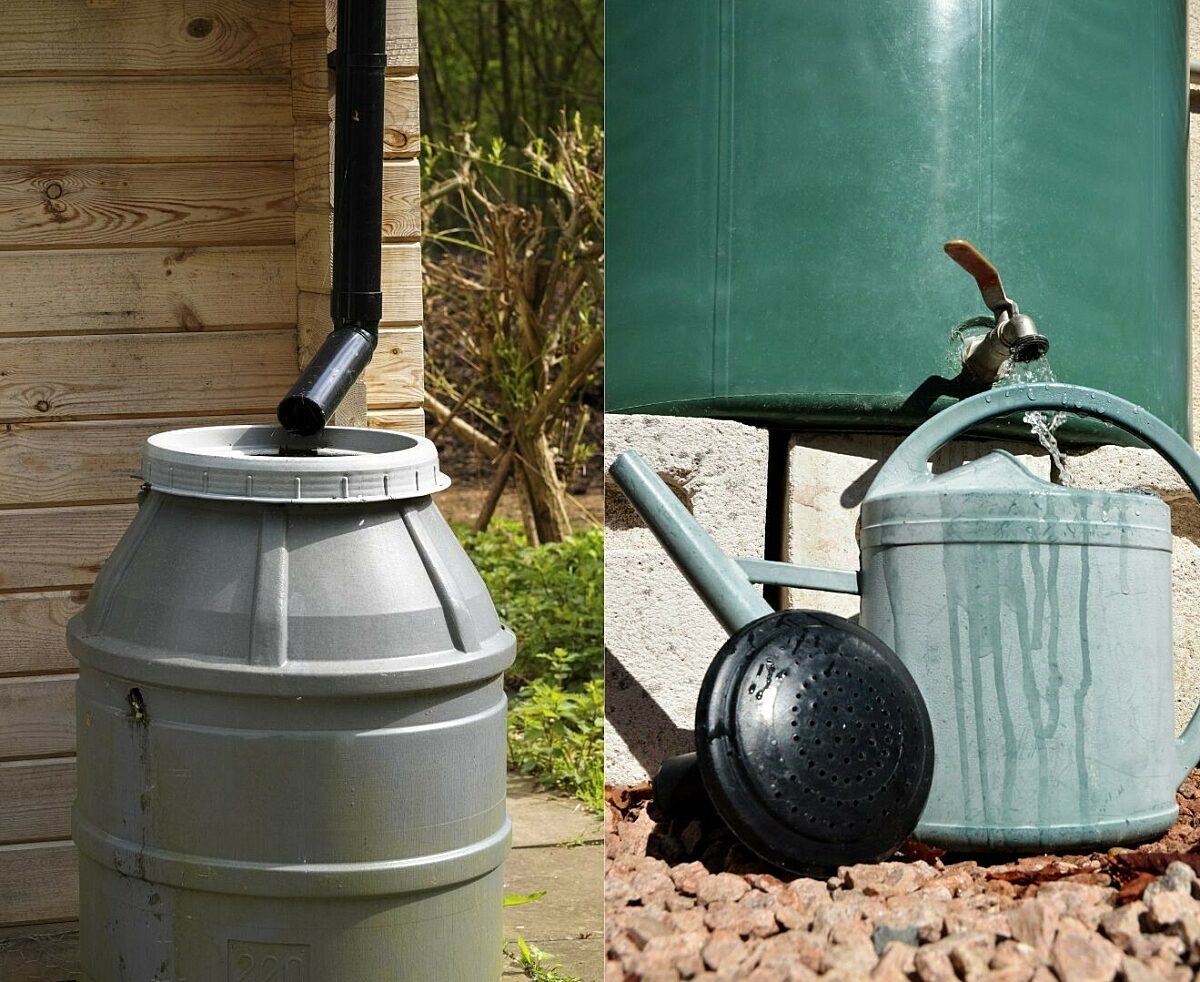
- Use a can, not a hose. A watering can uses far less water and gets it right where your plants need it. No more watering the patio!
- Water in the early morning or evening to minimise evaporation.
- Catch the rain. Install a water butt or barrel to collect rainwater for the garden or car.
- Add mulch on top of your soil to help it retain moisture and reduce the need for watering.
- Leave the lawn. Grass turning brown is natural in dry spells and it’ll bounce back with the rain. Plus, sprinklers can use up to 1000 litres of water an hour, which is more than a family of four uses in the home in a single day! You can also let it grow a little longer to help the soil to retain moisture.
Explore more tips with CCW's Get Water Fit tool and find out how you can cut water use in and around your home.
Our rivers and wetlands are far more than just sources of water, they are vital to a healthy, resilient landscape that supports both people and nature. By making changes at scale, working with nature, and being mindful of how we use water every day, we can protect our rivers, wildlife, and ensure future water supplies.