Drought: What does it mean for rivers and wildlife?
The impacts of this drought and water scarcity on rivers and wildlife that rely on them may not always be visible to the naked eye, but they are both wide-ranging and devastating.
13/08/25
Blog
England has experienced the driest January to June period since 1976 – nearly 50 years ago. Extreme weather events such as drought are becoming increasingly common due to climate change, causing increasing pressure on waterbodies across the UK and Ireland, including our rivers.
How does drought affect freshwater ecosystems?
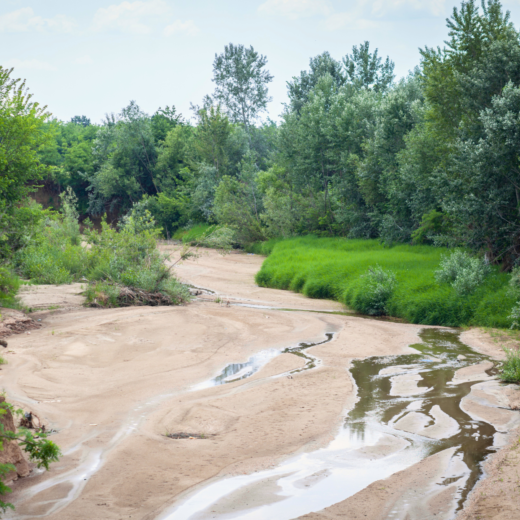
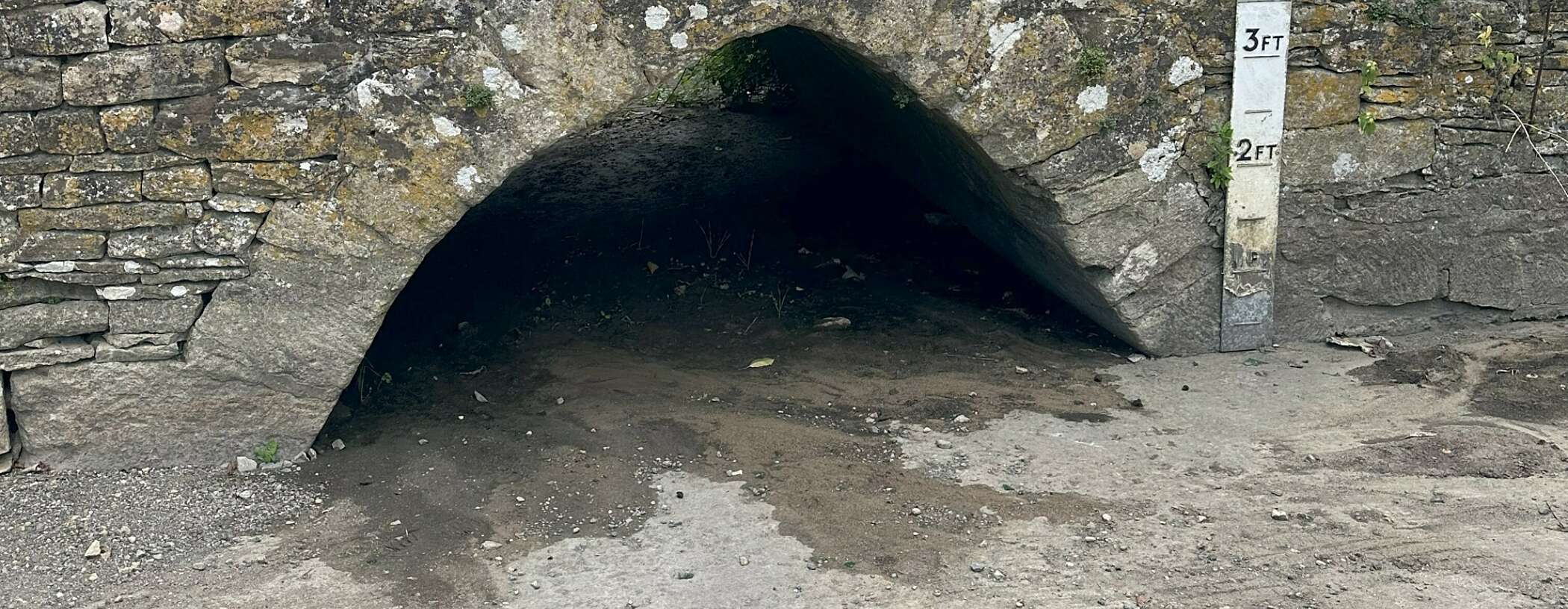
Drought, put simply, is a lack of water. It can be caused by natural factors, like too little rainfall, or by human activity, such as excessive water use. This year, lawns are fashioning a light shade of brown, and river levels are running dangerously low. The impacts of this situation on river wildlife may not always be visible to the naked eye, but they are both wide-ranging and devastating. For example:
- Reduced river levels limit the amount of available habitat and can fragment waterways into isolated pools, making it impassable for many species which need to move between feeding, breeding or shelter areas.
- Rising temperatures in those shallow, stagnant pools make the water uninhabitable for many species.
- Depleted oxygen levels occur in rivers with low flows and high temperatures, causing further distress to wildlife.
- Pollution concentrations therefore increase because there is not as much water for them to dissolve in, leading to an increase in toxicity and a drop in water quality.
- Stressed creatures are less likely to be resilient to other pressures, like disease.
What’s more, the conditions caused by drought also enable algae to thrive, which can be extremely dangerous for river ecosystems. Algae is naturally occurring, however when temperatures are high and flows are low, cyanobacteria, known as blue-green algae, can proliferate rapidly and form large algal blooms. They compete by blocking sunlight to other aquatic plants, a critical habitat for invertebrates and fish fry, and produce high levels of toxins that pose a risk to not just river wildlife but to dogs, cattle and humans too. As freshwater species decline, the whole wider food web is disrupted, furthering declines in biodiversity.
The impacts of drought on freshwater ecosystems are extensive and interconnected in a vicious cycle, so it’s important to act where we can to mitigate that. By implementing nature-based solutions on the ground and at scale, alongside continued advocacy and ongoing support from members of the public, The Rivers Trust is doing exactly that.
Species case study: Atlantic salmon
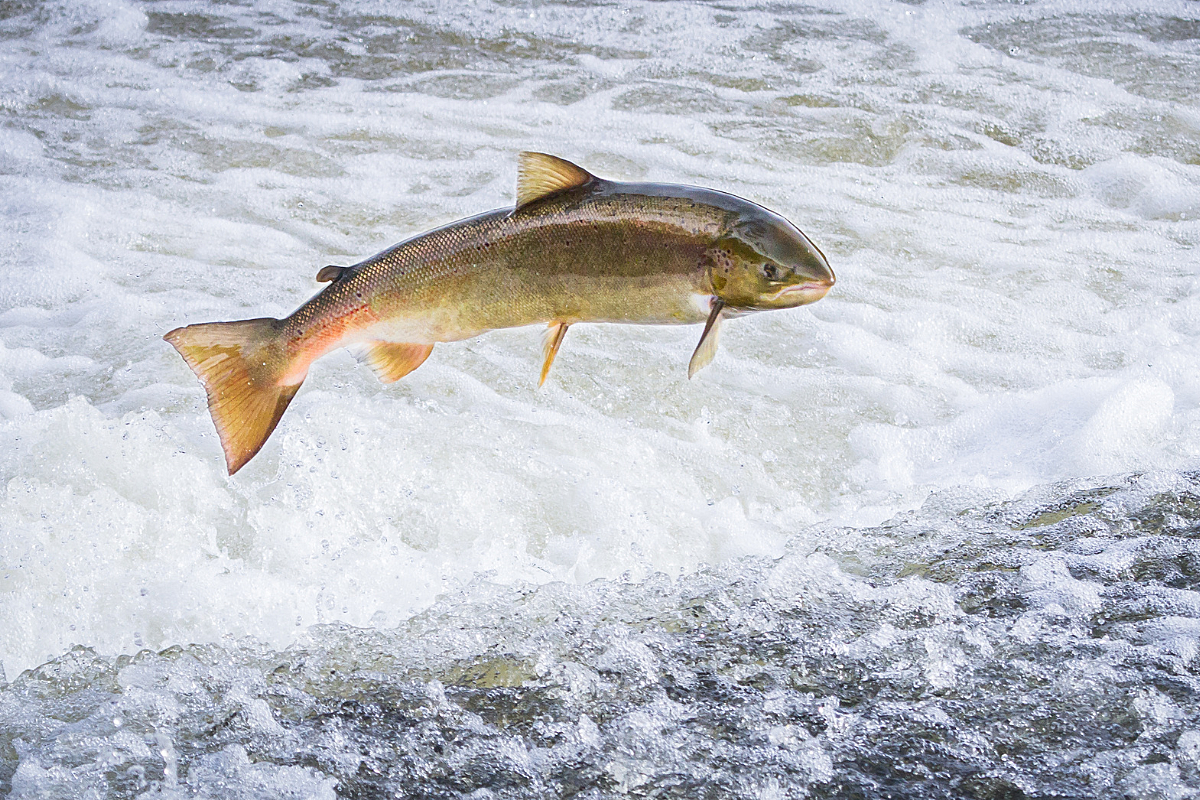
Atlantic salmon is one of many species that suffer in drought. Salmon spend their early lives in rivers before migrating to sea as smolt, where they grow and gain strength for around four years before beginning their incredible journey back to the very river where they were born. They are a key indicator species but are incredibly vulnerable, with their population declining by 80% over the last 40 years. From overheated spawning grounds to declining water quality, drought poses a severe and growing threat to this endangered species.
Through the use of nature-based solutions, the Rivers Trust Movement continues to reduce the impacts of drought on wildlife. Creating ponds, planting wetlands, and re-wiggling rivers can all have a remarkable effect on the health of a waterway.
A great example of the use of nature-based solutions is a project led by West Cumbria Rivers Trust on the River Bleng, which focused on planting riparian vegetation to reduce water temperatures.
The project showed that by increasing shade cast by trees over rivers, water temperatures were no longer exceeding dangerous levels during the summer months and did not threaten fish survival. When working with nature, we can mitigate the effects of drought and protect vital habitats to give species like the Atlantic salmon a fighting chance.
Make space for water to reduce drought impacts on rivers
The Rivers Trust Movement’s ongoing work across the UK and Ireland is helping to restore our rivers, but more still needs to be done to reduce the impacts of extreme weather events.
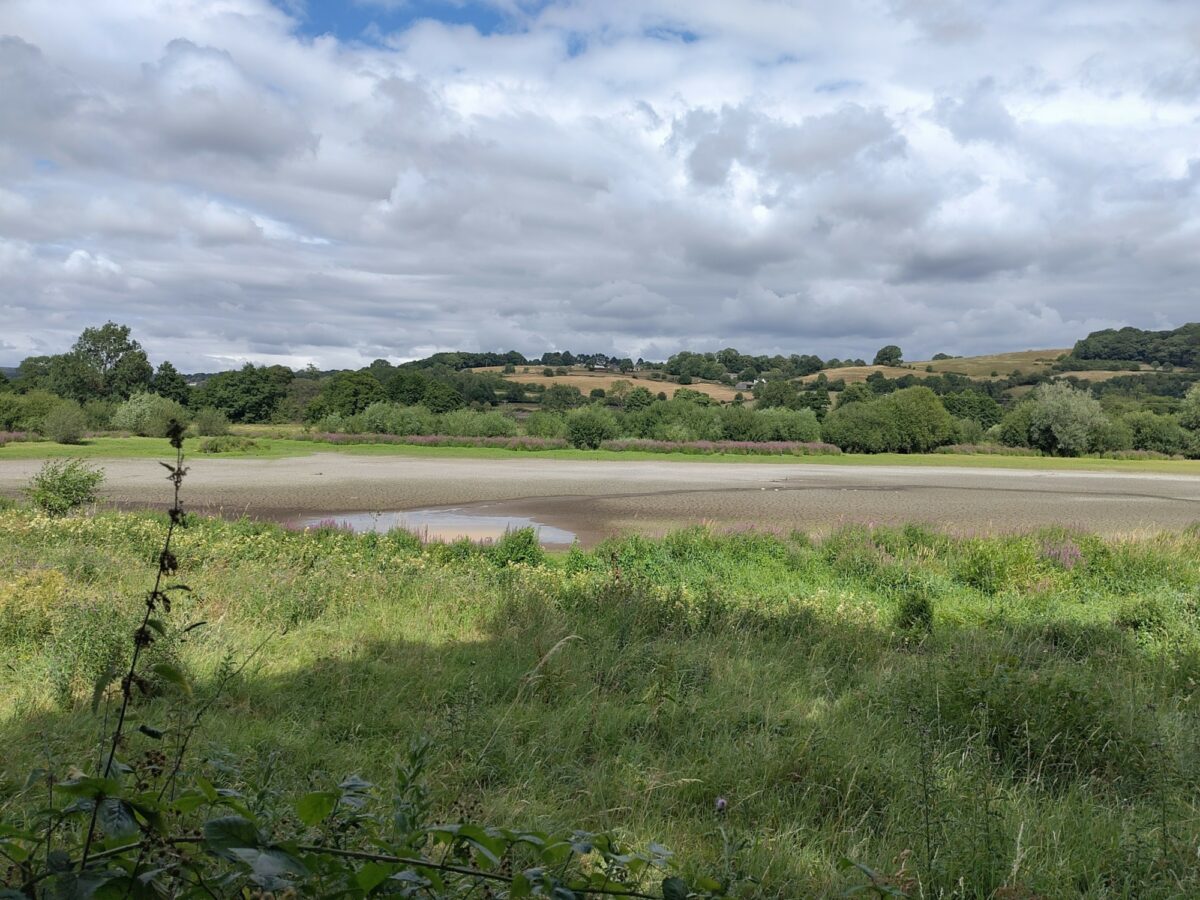
The Making Space for Water campaign, run with partners from the National Trust, Woodland Trust, and Beaver Trust, is calling on the government to support farmers and landowners to create and maintain a network of nature-rich river corridors, enabling river ecosystems to function as they naturally should. River corridors offer a range of benefits, from boosting climate resilience, improving water quality, protecting communities from drought and flood events, and restoring and supporting wildlife. Sign the campaign petition today.
Individual actions can make a difference, too
At home, we as individuals can conserve water to help prevent drought. Simple tasks like turning taps off whilst brushing your teeth, taking showers instead of baths, and harvesting rainwater to use in gardens can significantly reduce your water footprint. Click to check out more useful tips on how you can limit your water usage at home and in your garden.