Big River Watch: 2026 Spring Survey Results
Find out what you reported during the latest Big River Watch survey.
BRW Apr26 Participants
of you took part in Big River Watch
BRW Apr26 surveys
Big River Watch surveys submitted
BRW April26 days river watching
days spent collectively river watching
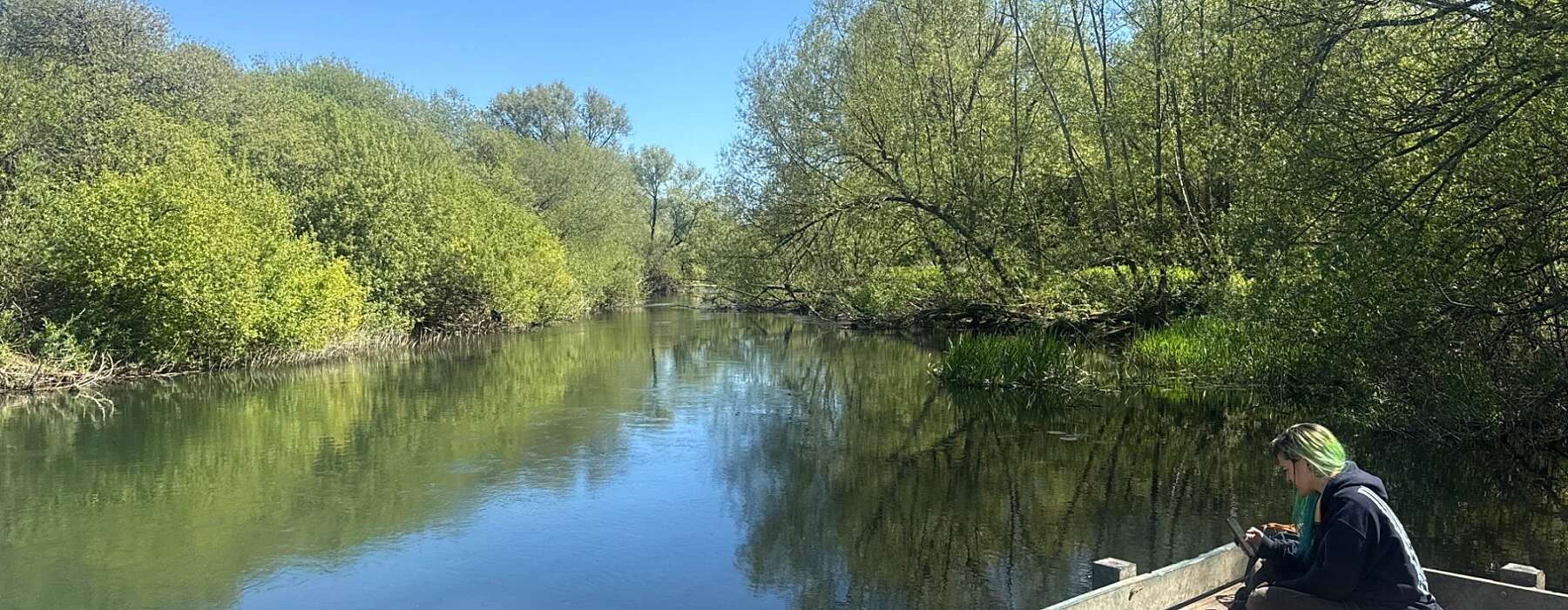
Last month, between the 24th and 30th of April 2026, thousands of people across the UK and Ireland stepped outside, spent time by a river, and got involved in our latest Big River Watch. This was our sixth Big River Watch over the past three years, and what a fantastic week of citizen science it was.
While our spring surveys have typically seen lower participation than those in September, April 2026 bucked this trend. With an amazing 5,538 people taking part, together submitting 2,397 surveys, it was not only our biggest spring survey so far, but it also surpassed the participation and survey numbers from September 2025. A huge thank you to everyone who got involved and made it one to remember!
Reflecting on this latest campaign, there's so much to celebrate and share. From adding a new language (Irish) to the app, to national and regional media appearances and, of course, many riverside observations that capture both the beauty of our waterways and the challenges they face. So, let’s take a closer look at the results from the April 2026 Big River Watch.
Waterside wildlife
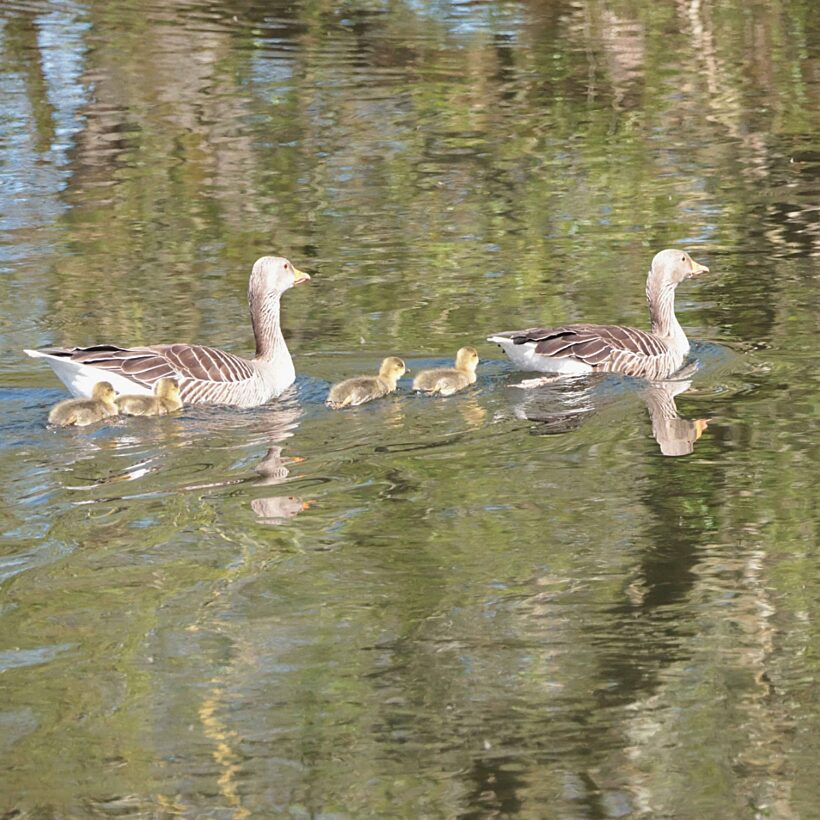
The chance to spot some of our favourite freshwater species is always one of the highlights of Big River Watch, and ducks, of course, remain the undisputed champions, with 1,200 surveys including them. While they are unlikely to be dethroned any time soon, it is hard to complain - who doesn't enjoy seeing a duck?
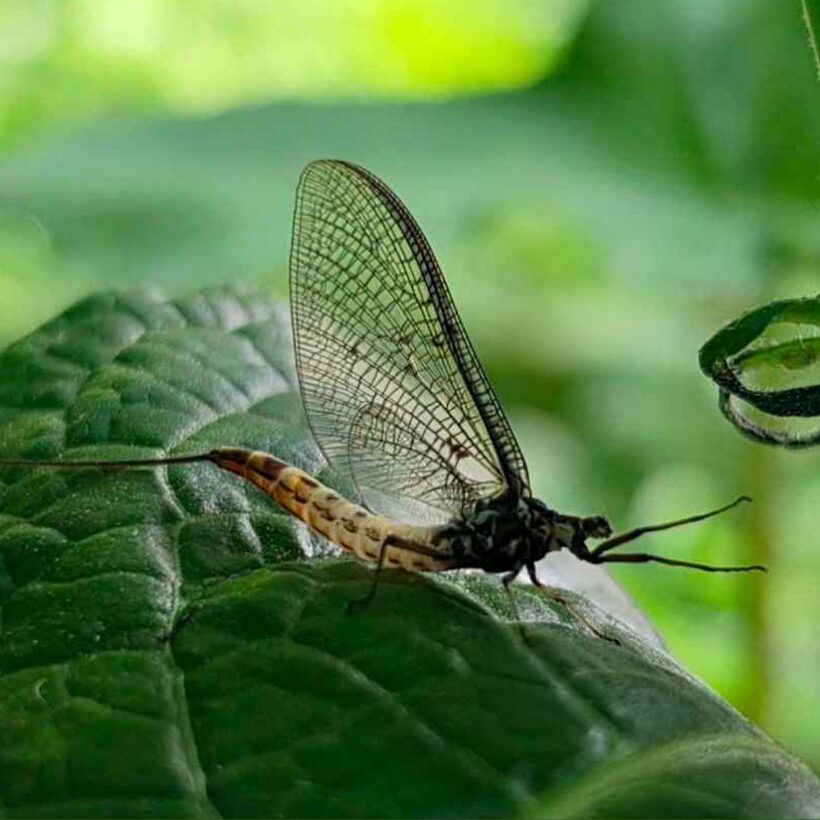
Riverflies (a collective term for mayflies, stoneflies, and caddisflies) made a strong appearance with 528 surveys recording a sighting, up from 280 in September, a clear sign that spring has arrived. These aquatic invertebrates are a vital indicator of water quality and river health, and act as key indicator species. So much so that there is a dedicated citizen science programme monitoring them — The Riverfly Partnership.
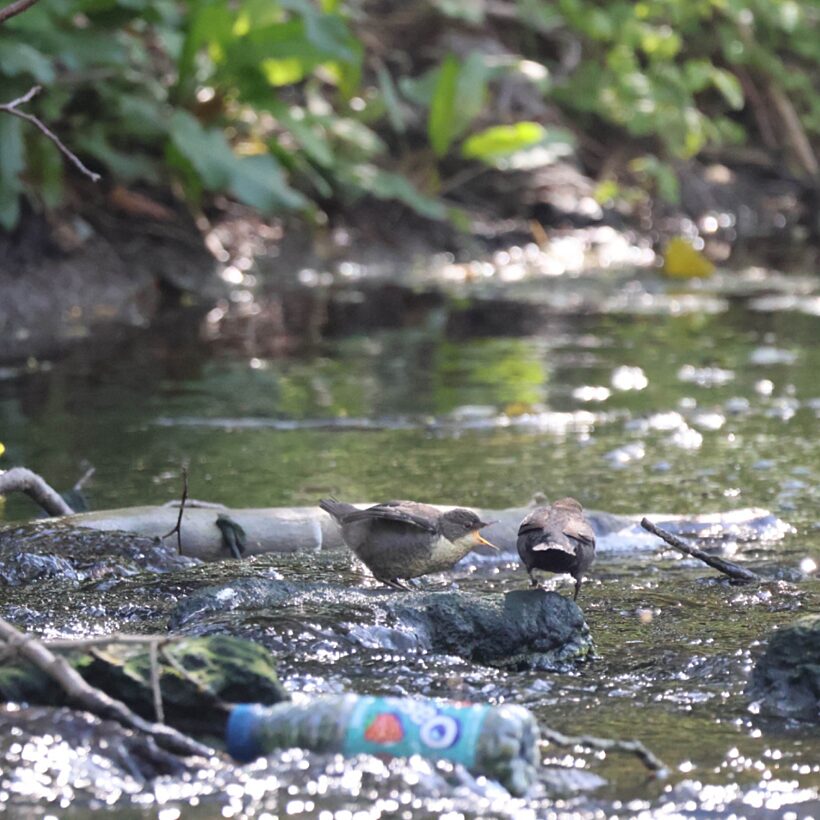
There was plenty of other wildlife spotted across during surveys too, including coots (239), moorhens (308), dippers (135) and herons (375). Fish were also recorded in 627 surveys, 52 included sightings of otters, and even 8 beavers were reported.
Beyond the joy of these encounters, every wildlife record helps build a clearer picture of river health. Together, they show which species are present, where they are being seen, and provide insight into how our river ecosystems are faring.
Finding barriers
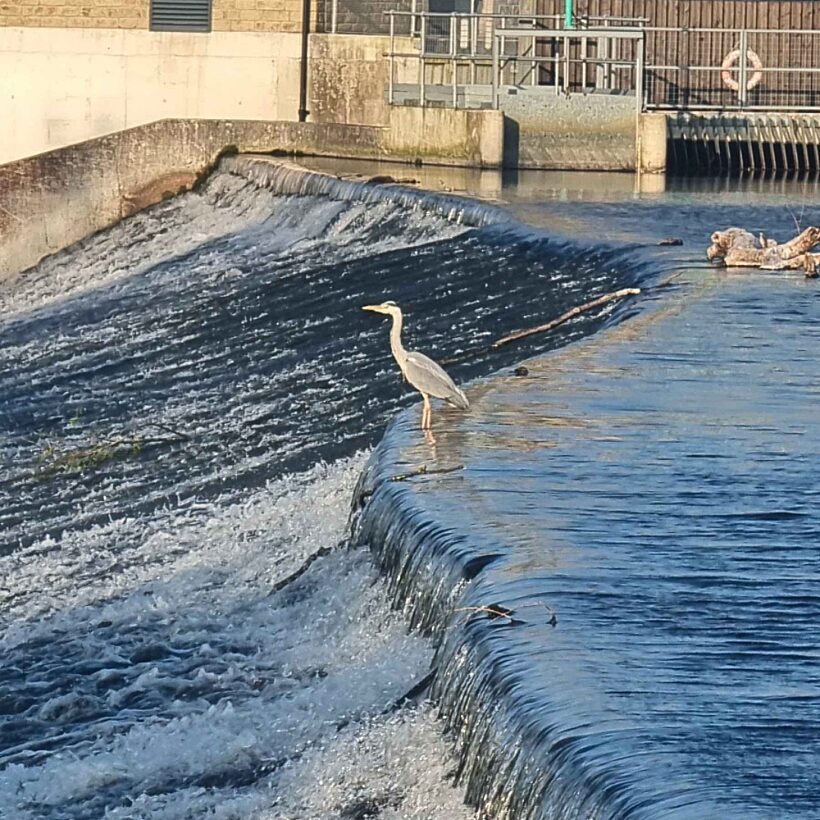
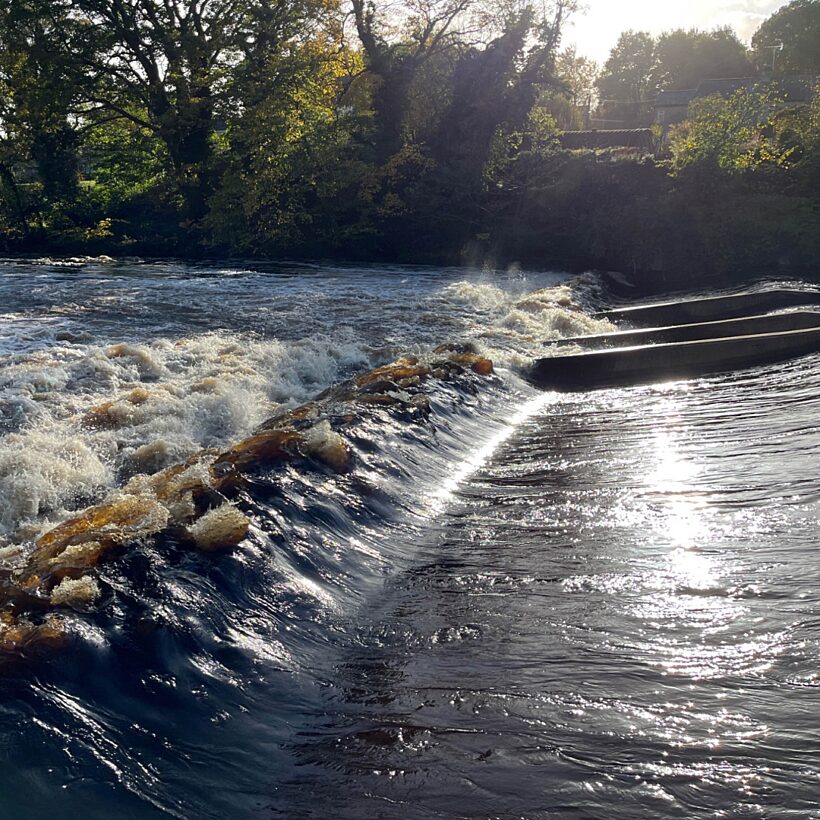
Artificial barriers such as dams, weirs, and culverts are a widespread issue, putting pressure on our rivers and the wildlife that depend on them. Thousands have been identified across the UK and Ireland, with 23,000 in the rivers of England, Scotland, and Wales (that's 99% of our rivers affected), and many of them are no longer in use. These barriers disrupt natural river flow and prevent wildlife from moving freely through our waterways, particularly impacting migratory species, including Atlantic salmon and European eels. In England alone, 674 rivers fail to reach good ecological status due to these barriers.
We can mitigate the effects of barriers by installing fish passes, eel ladders, and rocky ramps (which help fish navigate barriers safely), or by removing them altogether. However, to do that, we need to know where they are, which is why Big River Watchers recording 651 barriers in rivers across the UK and Ireland, in this campaign alone, is so important. Of these, 70 may be previously unrecorded, meaning they are not yet present in the National River Obstacles Database. We can now work with the organisations in The Rivers Trust Movement to verify these in person, so that they can be added.
By improving this database and understanding barriers to the movement of fish and other wildlife throughout our waterways, our Movement and other groups or landowners will be better able to identify, and plan works to ease the flow.
Want to learn more? Here is a great example of a fish pass installation to bypass a weir by Don Catchment Rivers Trust.
Pollution
Witnessing the challenges our waterways face may not be pleasant, but these observations are incredibly important. By capturing large-scale snapshots twice a year across the UK and Ireland, we can build a clearer picture of where pollution is occurring, track seasonal patterns, and identify significant changes that might be linked to climate factors such as summer droughts or particularly wet winters.
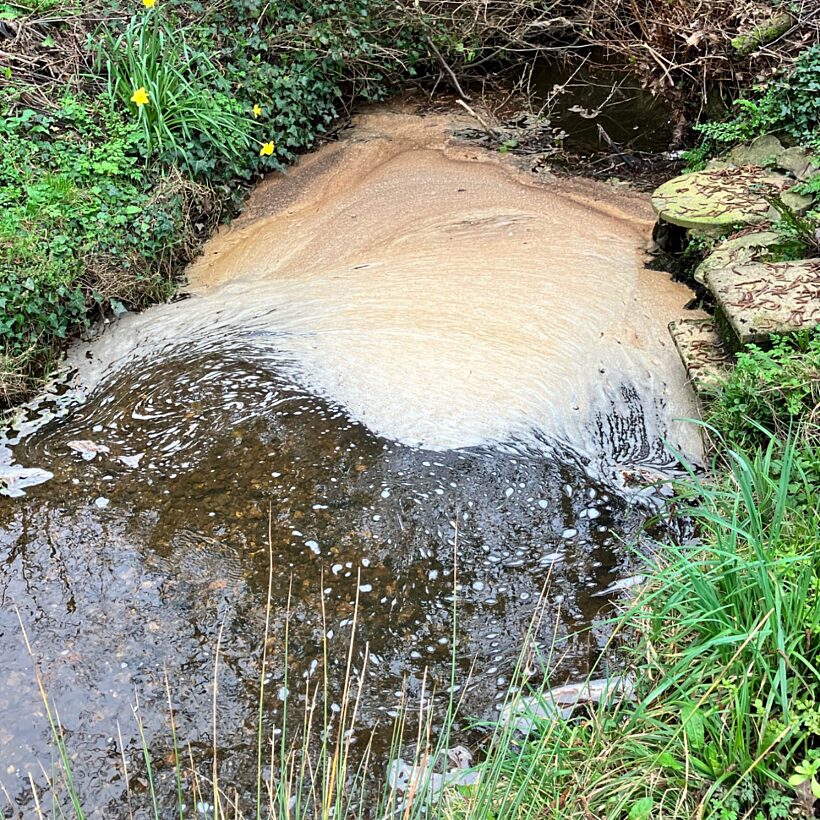
Pollution in its many forms remains a persistent problem for our rivers, and your surveys reflect this, with nearly half (48.8%) recording at least one type. Sewage was reported at a similar level to the September campaign (99 compared to 98). However, sewage fungus, which is often a sign of ongoing pollution, was recorded more frequently, appearing in 179 surveys compared to 107. This increase follows a record-breaking wet start to 2026 (for some parts of the UK), which saw 25 consecutive days of rain, the longest streak since 1908. Prolonged periods of rainfall can lead to more sewage entering our rivers, creating more persistent pollution, and may contribute to a higher prevalence of sewage fungus.
Litter was spotted in 1,181 surveys - again, that's nearly half (49.3%). It is one of the simplest issues for us to tackle as individuals, whether by taking our rubbish home or holding onto it until we find a bin. Beyond being an eyesore, litter poses a real threat to wildlife, as animals can become entangled in the rubbish or even ingest it. As it breaks down, it can release microplastics and chemicals into the environment, causing a range of issues, including reduced fish fertility. These impacts can also spread through the ecosystem as predators consume contaminated prey, affecting fish, birds, mammals such as otters, and the wider food chain.
Other forms of pollution were also recorded. Algae, often a sign of high nutrient levels, appeared in 196 surveys. Road runoff, which can appear as an oily rainbow sheen on the water’s surface, was spotted in 81 surveys, and silt was seen 562 times.
Citizen science is for everyone
Aside from the data, Big River Watch is about keeping things simple and making citizen science as accessible to people as possible. This not only benefits data collection itself, by helping more river stretches to be surveyed and giving us a richer, more representative picture of river health across the UK and Ireland, but it also invites everyone to connect with our waterways.
Taking part gives people a chance to spend time by their local blue spaces, support their wellbeing, and take their first step into environmental action. We hope it sparks deeper engagement with our rivers, with participants returning for future Big River Watches, volunteering with their local Rivers Trust, joining tree planting and river clean-ups, and exploring other citizen science initiatives.
That is why we are thrilled that, even in our sixth Big River Watch, 2,351 participants (53.6%) reported that they were trying citizen science for the first time.
We were also really pleased to work with translators and developers to introduce Irish as a language option in the app in time for this survey, helping make the survey accessible to even more communities, and it was great to see participation across Northern Ireland and Ireland higher in April 2026 than in the previous Big River Watch.
You made Big River Watch sociable
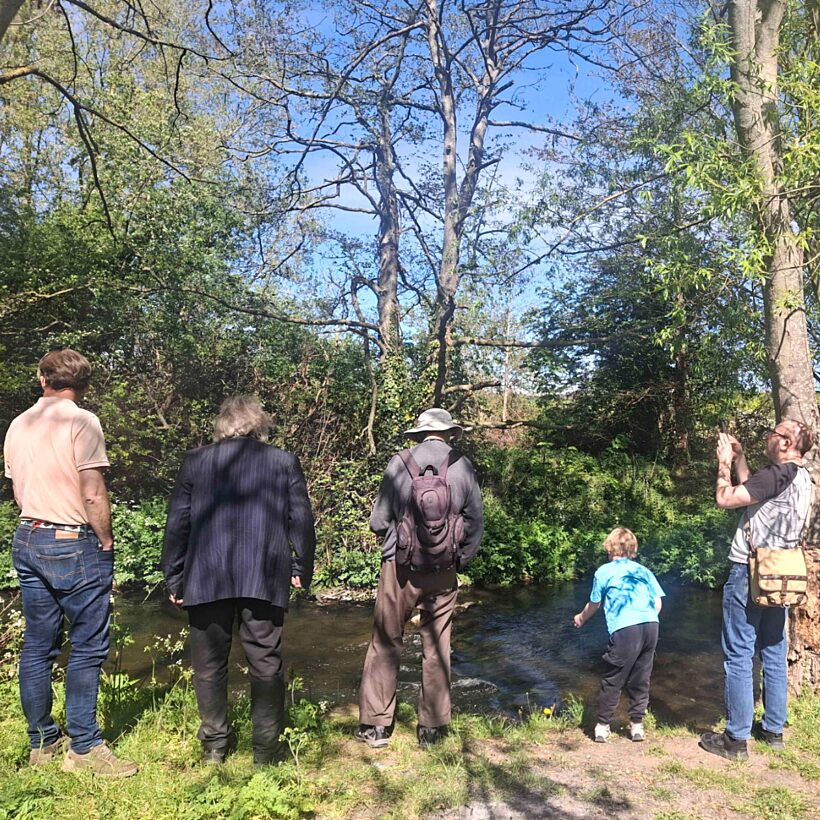
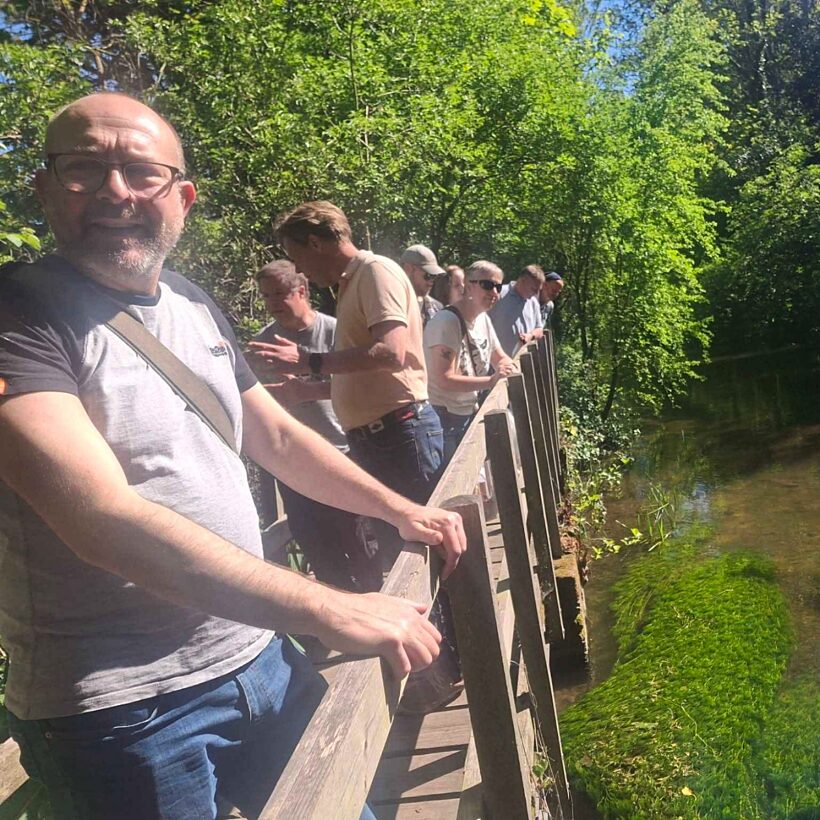
It was fantastic to see how many of you took part together, with 38% of surveys completed by groups. The photos say it all (see below)! It is inspiring to see people gathering to enjoy their local rivers and make the most of these valuable blue spaces. Spending time outdoors, connecting with others, and taking action to improve the health of our waterways is at the heart of Big River Watch.
Ambassadors in Action
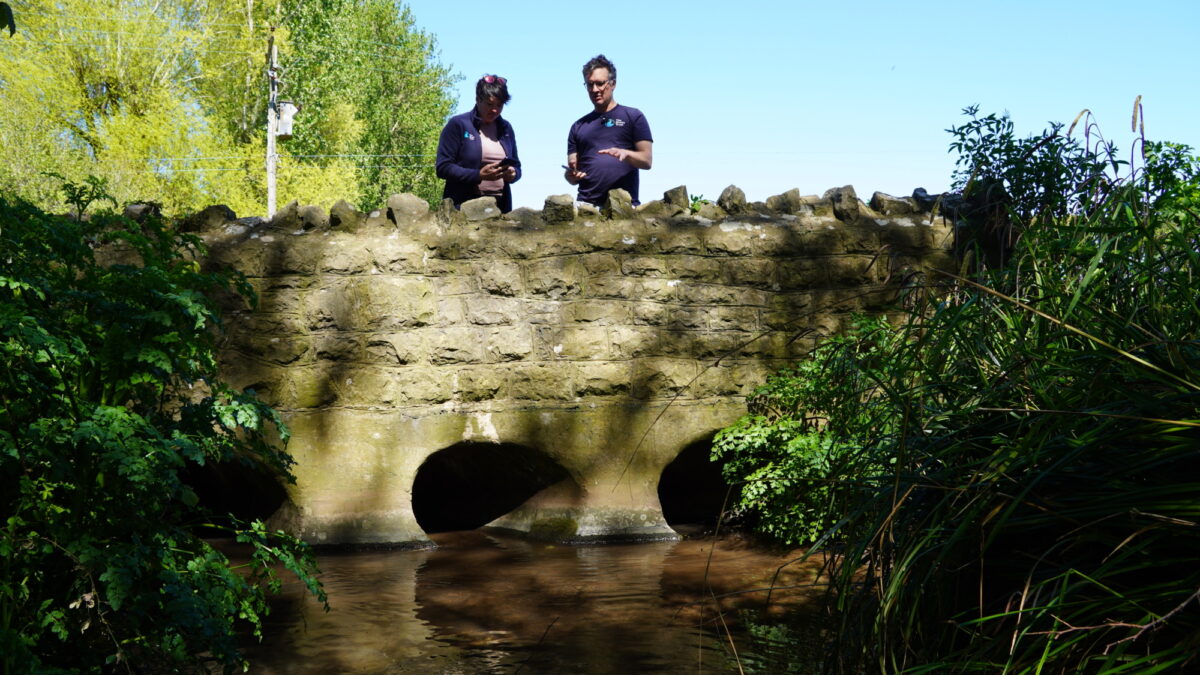
It's never a surprise to see Will Millard out on a river but we loved seeing him involved in Big River Watch. The day the survey launched, he joined our Technical Director, Michelle Walker, and Communications & Campaigns Manager, Emma Brisdion, to survey Langford Brook just south of Bristol, completing both a riverfly survey and the Big River Watch.
Will said, "I had one of the most memorable mornings of my whole spring season, just leaning over a bridge at a small brook in Somerset. I’m someone who probably spends a disproportionate amount of time by the river anyway, but the Big River Watch really helped me take notice of the smaller details I would otherwise have missed - tiny invertebrates, secretive birds and the gentle swaying of aquatic plants.
"It’s such a beautiful mindful activity to take part in, and I’m completely over the moon to hear we’ve had so many people taking part this season. It’s great for our own inner peace, but it will make such a difference to the wider study of our riverine environments too."
The media also picked up on the Big River Watch, and another of our newest ambassadors spent time with BBC TV and Radio crews. From the banks of the Thames, our ambassador, Mudlark and author Lara Maiklem, discussed the importance of citizen science and encouraging everyone to take part, ensuring that the Big River Watch featured on BBC London Evening News.
And, we'd say it worked, as we saw 172 surveys flood in from around Greater London, an increase on both spring 2025 and 2024.
In fact, we'll round up this report with a quote from Lara herself.
“'Our rivers need guardians, which is why it's so exciting to see more people than ever engaging with their local water courses by taking part in the River Trust's spring Big River Watch. It is a reflection of a growing awareness of the importance of our rivers and a public desire to protect and care for them. Long live our rivers!'”

Lara Maiklem
The River Trust Ambassador
Take further action for our rivers
A huge thank you to everyone who took part in our spring 2026 Big River Watch and helped improve the understanding of river health across the UK and Ireland. And a particular thank you to the Amber River Foundation for supporting this Big River Watch.
You'll have another opportunity to get involved in September 2026, but there are plenty of mays to make a difference for our rivers in the meantime:
- Find your local Trust: Many of our member Trusts offer hands-on volunteering like litter picks, tree planting, balsam bashing and riverfly monitoring. Find your local Trust here.
- Explore the data: Use our interactive data explorer to dive into survey results from all four Big River Watch events.
- Demand Clean Water Now: The UK government has a once-in-a-generation opportunity to create a new law that protects and restores our waters, but it must be done properly. Use our tool to email your local MP and help ensure that the upcoming Water Reform Bill delivers for our rivers.
- Stay in touch: Sign up to our newsletter to keep up to date with our work, campaigns, and opportunities to help.
- Learn more: Read our State of Our Rivers Report to understand the key issues, the condition of our rivers, and what needs to be done to restore them.
- Register for Earthwatch's next Great UK WaterBlitz and combine your Spring 2026 Big River Watch with a further citizen science activity and test the water yourself.