Big River Watch September 2025 results: citizen science, nature connection, and action for our rivers
From spotting pollution and wildlife to reconnecting with your local river, last month thousands of you got outside for a week full of citizen science and action for our rivers.
31/10/25
In September, thousands of you across the UK and Ireland pulled on your citizen science caps and joined our latest Big River Watch, our biannual invitation to everyone to step outside, spend a little time at a river, and share what you see using our free app.
This time around, an incredible 4,140 people took part and submitted 2,347 surveys. That’s an accumulative 43 days of watching, recording, and connecting with our waterways. Time well spent!
The survey was open from the 19th to the 25th of September, and your observations covered everything from pollution and wildlife to reflections on how your local river made you feel. Our brilliant technical team has looked at your data, and here is what you saw.
Wildlife highlights
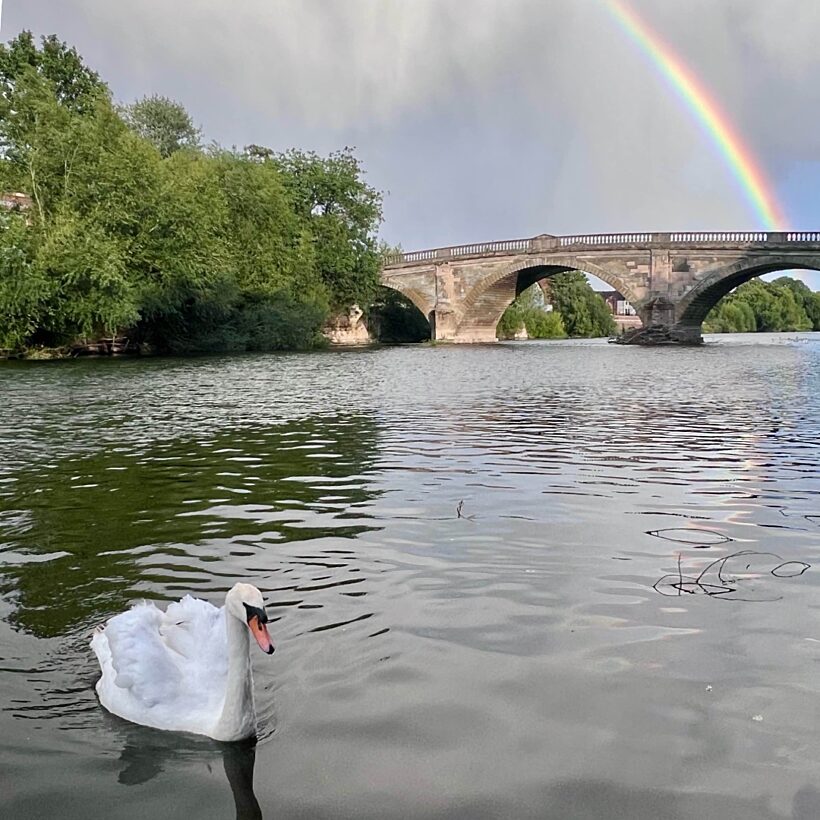
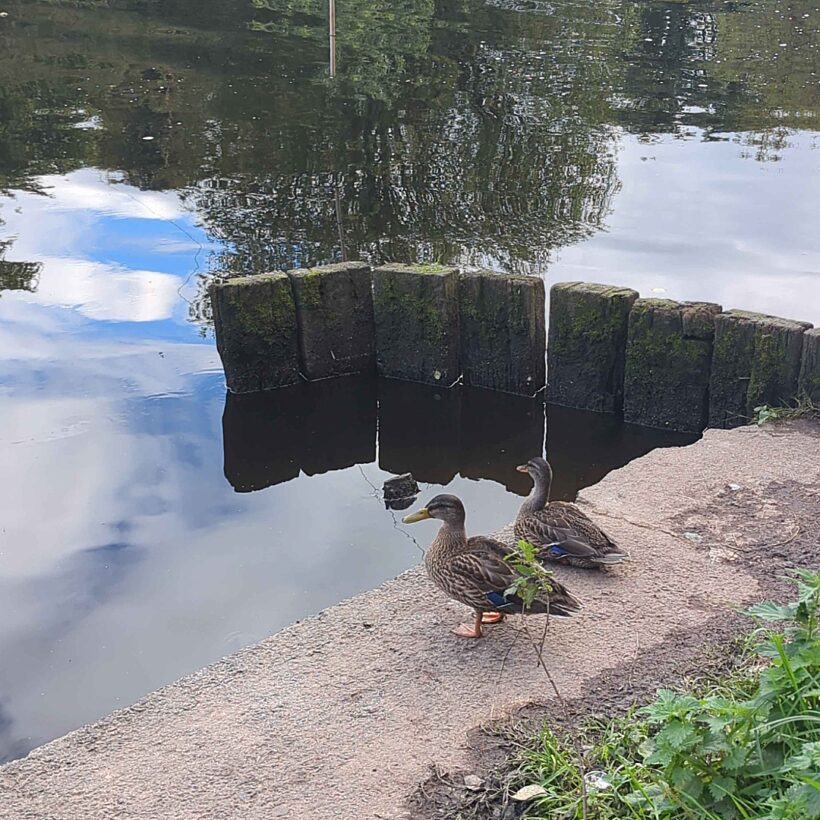
Across your surveys, you shared a plethora of sightings of some iconic river creatures. Unsurprisingly, ducks once again claimed the top spot as the most commonly recorded animal. With 789 recordings, they are holding their title as Big River Watch champions for the fifth time in a row.
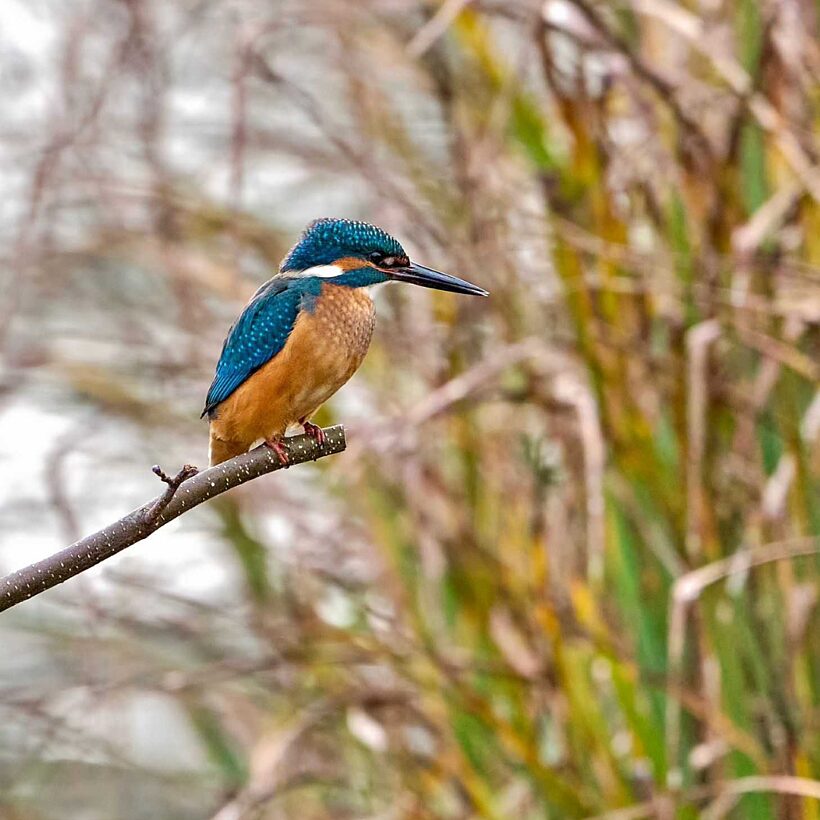
Although a similar number of surveys were submitted in both spring and autumn this year, nearly 100 more kingfishers were spotted this September than in May – 240 compared to 151. These iconic birds are always an exciting sight, even if often they are just visible as a quick (but unmistakable) flash of blue and orange darting over the water. Did you know that their iconic blue feathers aren't actually blue at all? In fact, they are brownish. While their orange feathers get their colour from pigmentation, the blue we see is due to a phenomenon known as 'structural colouration'. The cellular structures in their feathers scatter sunlight in a way that perfectly reflects blue wavelengths, giving them their characteristic iridescent blue.
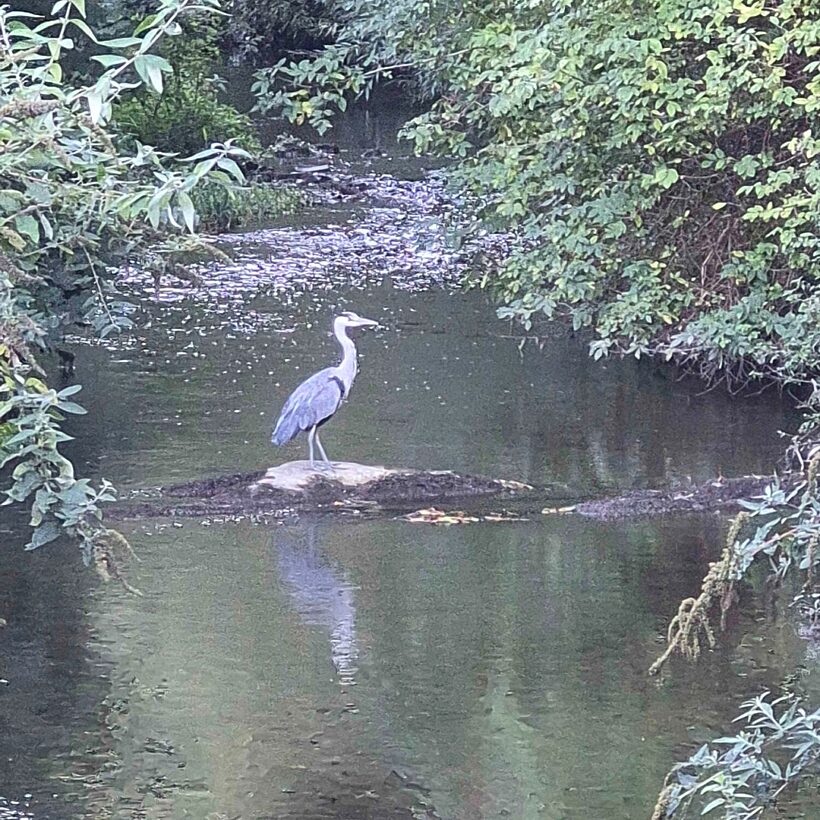
Beyond the birds, you also recorded 624 sightings of fish, 52 of otters, 7 of beavers, 383 of dragonflies, and much more. Together, your observations provide a vital snapshot of the wildlife that depends on our waterways.
Pollution problems
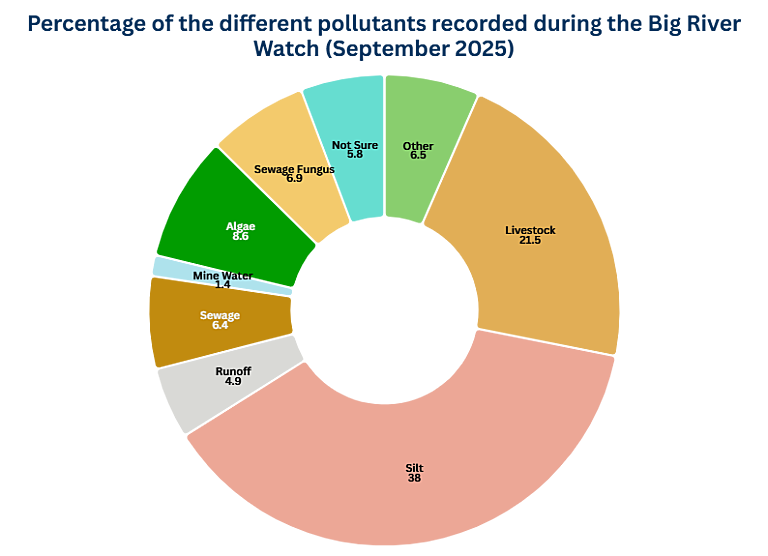
While wildlife sightings give us excitement and can often indicate good health in our rivers, pollution and pressures continue to be a problem for our waterways. In September, nearly half (48%) of the surveys recorded at least one type of pollution.
Silt topped the list this autumn, appearing in 580 surveys. Even after a particularly hot and dry summer with little rain to wash it in, sediment can still make its way into our waterways when the wind blows in from footpaths, bare ground, and areas of unhealthy soil. In our rivers, silt clouds the water and can smother vital habitats that fish and invertebrates rely on. Improving soil health and planting trees alongside rivers can help keep our vital soil on the land where we need it, and out of the water.
329 surveys recorded signs of livestock-related pollution. Cows, sheep, and other animals that graze near (or on) riverbanks can stir up sediment (leading to the issues noted above), trample vegetation, and add nutrients to the water through their waste. This nutrient build-up can trigger algal blooms and impact the delicate freshwater ecosystem. Supporting farmers to fence river margins, install drinking troughs away from the water, and create riparian river corridors (buffer zones) can make a real difference for both wildlife and farming. Visit our Making Space for Water campaign to learn more about why healthy river corridors matter and sign the petition to help us support farmers in creating them.
Algae were recorded in 131 surveys, or 437 when including those who noted it in the plant, rather than pollution, section. The presence of algae often indicates high nutrient levels in the water, typically from agricultural runoff or sewage pollution. When algae grow too quickly, algal blooms can be created that block sunlight, preventing it from reaching aquatic plants, and reducing oxygen levels, making life harder for fish and other wildlife to survive. After this year's notably hot and dry summer, and with droughts expected to increase in frequency and intensity, algal blooms are likely to become an even more common problem, as higher temperatures and lower river flows concentrate nutrients and create the ideal conditions for algal growth.
Signs of sewage pollution were recorded in 96 surveys, down from 140 in the spring survey. Often the sewage we observe in rivers comes from storm overflows, which are mostly released during rainfall. The hot, dry weather in the months leading up to this autumn's Big River Watch may have contributed to this slight reduction in sewage evidence sightings. However, sewage fungus, often a sign of ongoing sewage pollution, still appeared in 105 surveys. You can learn more about how to spot signs of sewage pollution and how to report it to the relevant authorities, here.
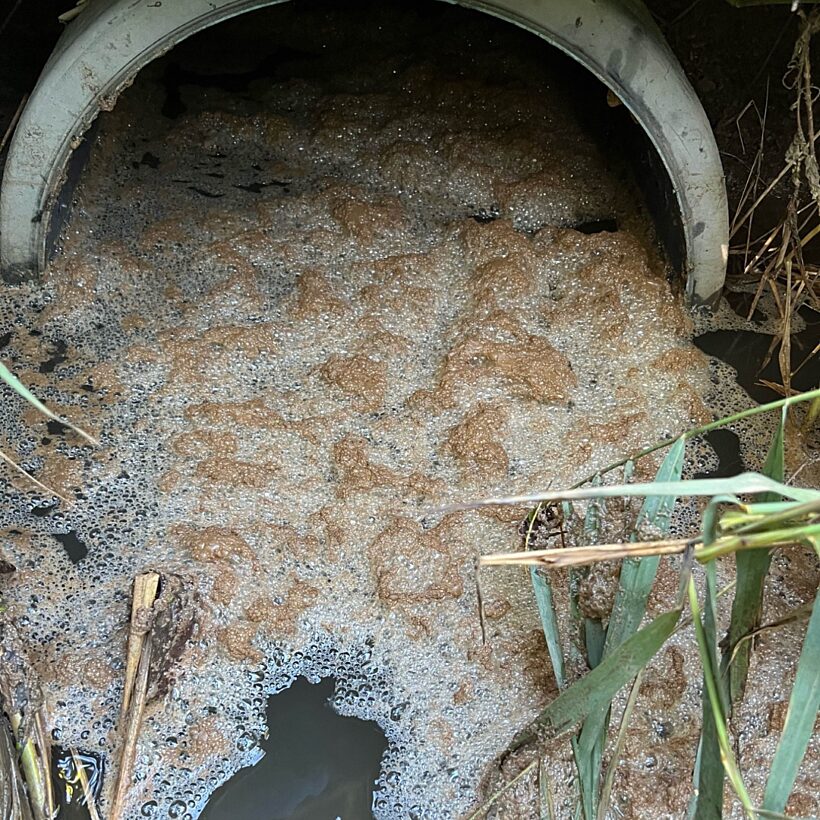
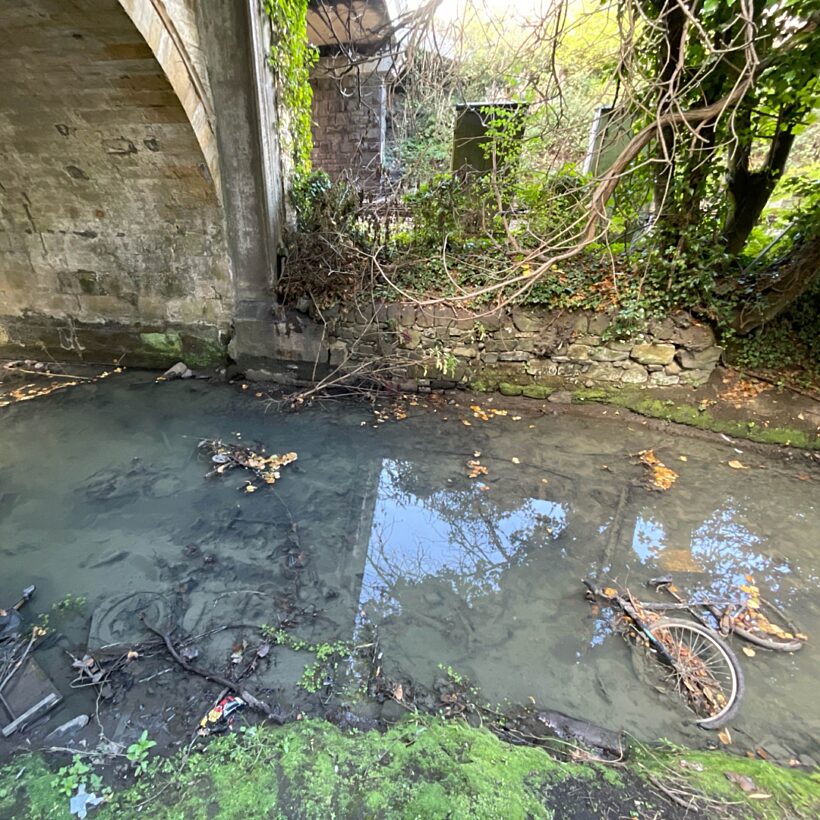
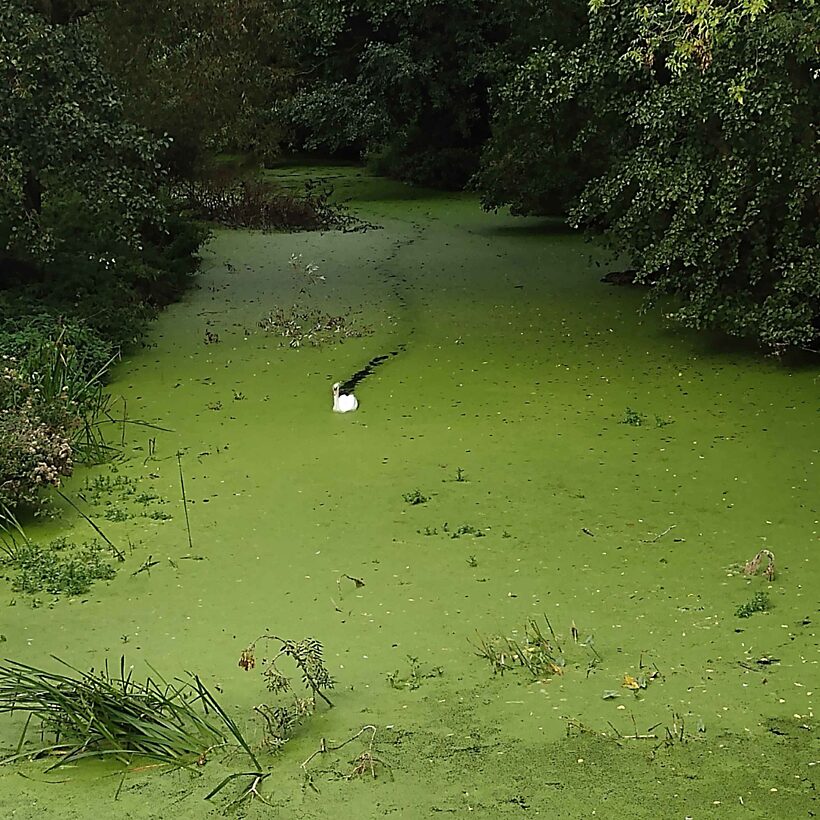
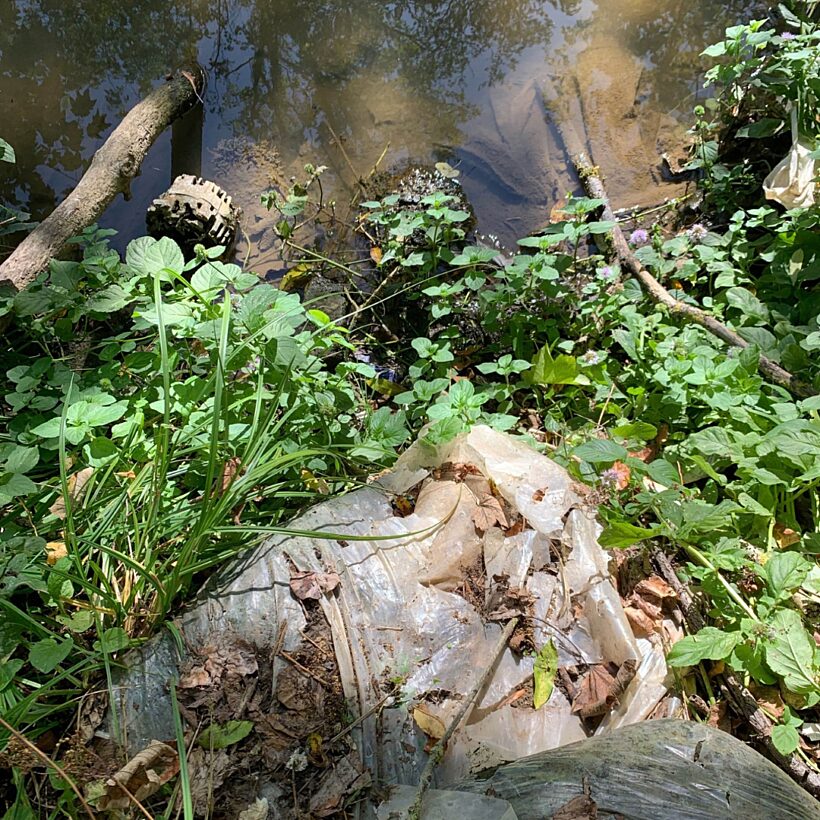
Other forms of pollution spotted and recorded included 75 sightings of road runoff, 22 of mine water, and 88 unidentified pollutants. Plus, you chose to show us the issues you could spot, such as discarded bikes, in many of the photos you submitted. All of your observations help paint a bigger picture of the pressures facing our rivers and can help guide the work needed to tackle them.
Combined citizen science efforts
As with our spring event, the autumn Big River Watch ran alongside Earthwatch Europe’s Great UK WaterBlitz, a biannual citizen science project where participants test the water quality of their local rivers, measuring phosphates and nitrates.
By running these events together and aligning the data, you as citizen scientists, can create a clearer picture of river health across the UK and Ireland. We encouraged Big River Watchers who had also signed up to take part in the WaterBlitz to carry out both activities at the same location.
Your photos and submissions captured this collaboration beautifully and we loved seeing all the citizen science in action!
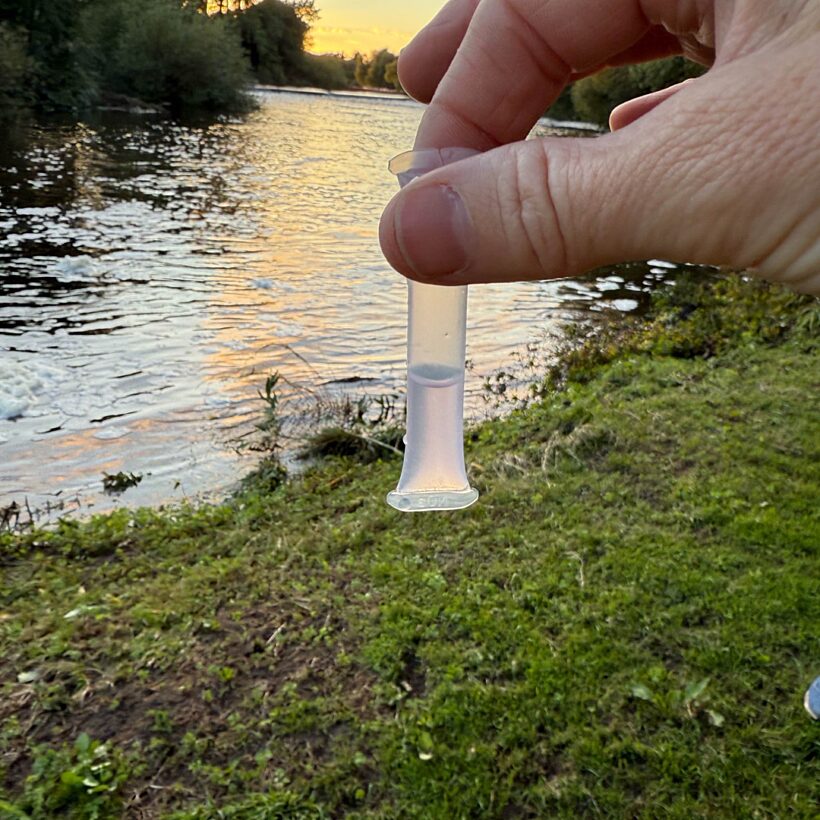
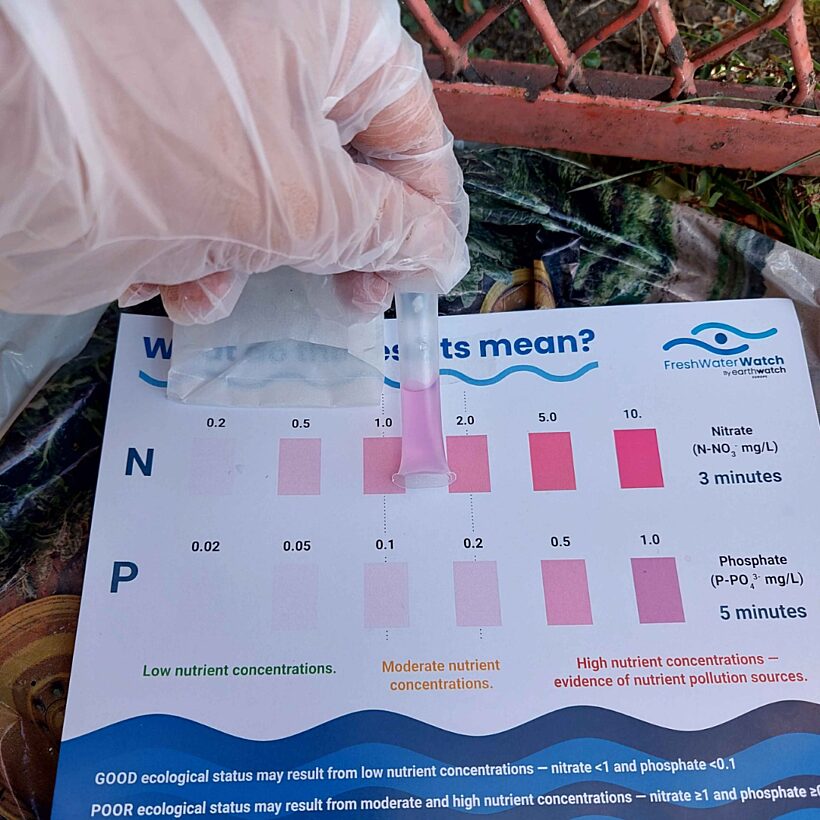
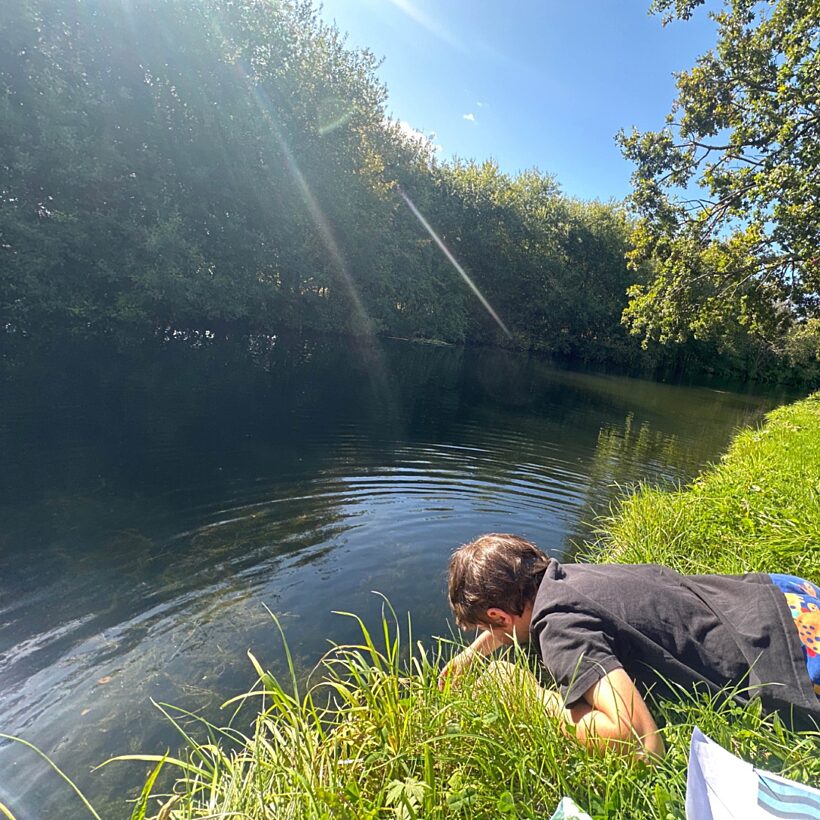
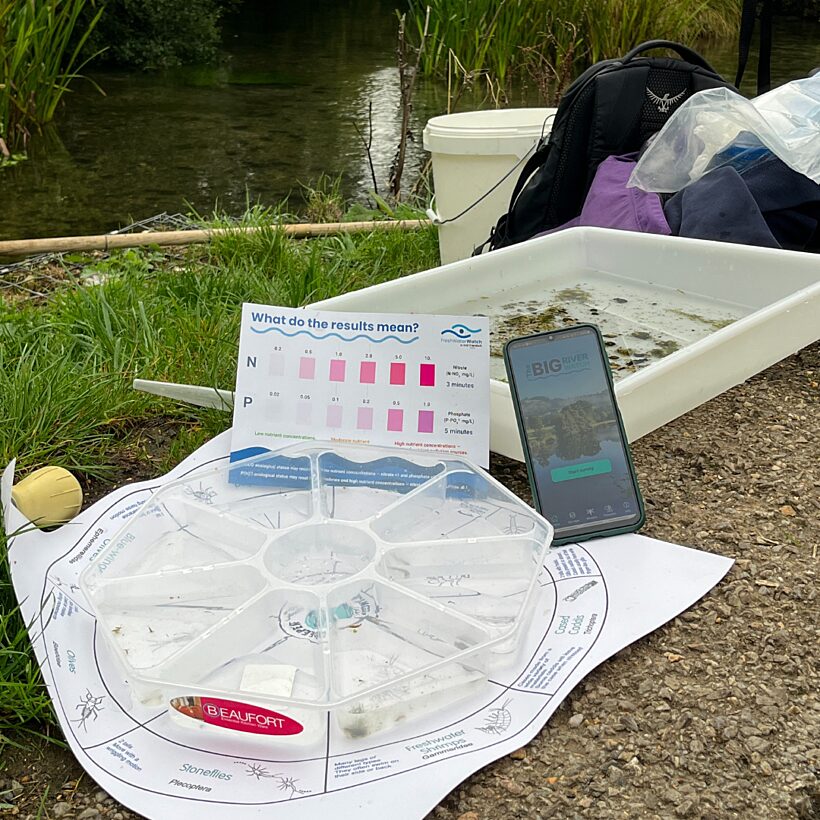
During the week, National Trust projects also joined in the citizen science effort, bringing communities together to explore their local waterways and take part in both Big River Watch and the WaterBlitz. You can learn more about their experience and read their reflections here.
Connecting with our rivers
Alongside gathering vital data on the health of our rivers, the other goal of Big River Watch is to provide an opportunity to spend some time pausing and connecting with our local waterways. Spending time in nature, particularly near rivers and other blue and green spaces, has been shown to provide a myriad of benefits to both our mental and physical health.
Research has found that exposure to nature is linked to improved cognitive function, brain activity, sleep, and general mental health. These benefits are seen across all ages, but are especially strong in children, where access to green and blue spaces has been shown to boost attention span and working memory. Importantly, for those of us who spend much of our time in offices or behind a computer, you don't need to spend hours outdoors (as much as we'd love to). In fact, short outdoor breaks of just 10-15 minutes have been found to improve concentration, as well as reduce blood pressure and lower our resting heart rate.
Some of these positive effects were reflected in your responses through the app. The three most common feelings recorded in surveys were calm (505), peaceful (289), and relaxed (205). We continue to see a link between people who describe their river as "healthy" being far more likely to report positive emotions, while those who view their river stretch as "unhealthy" tend to feel the opposite. This connection between the perceived condition of a river and how it makes us feel reminds us that restoring and protecting waterways is not only vital for nature, but for our own wellbeing too.
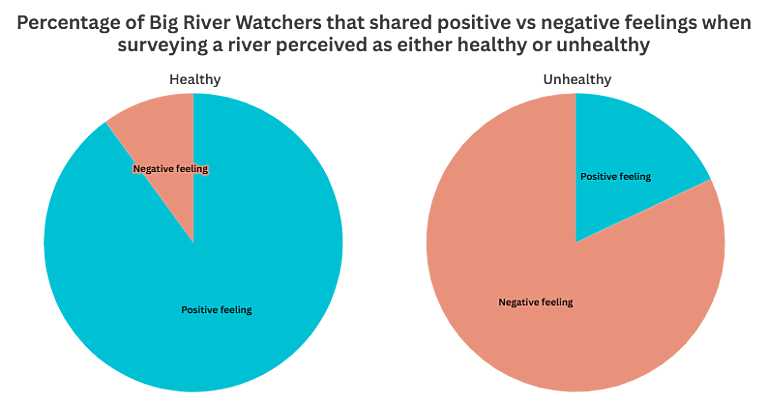
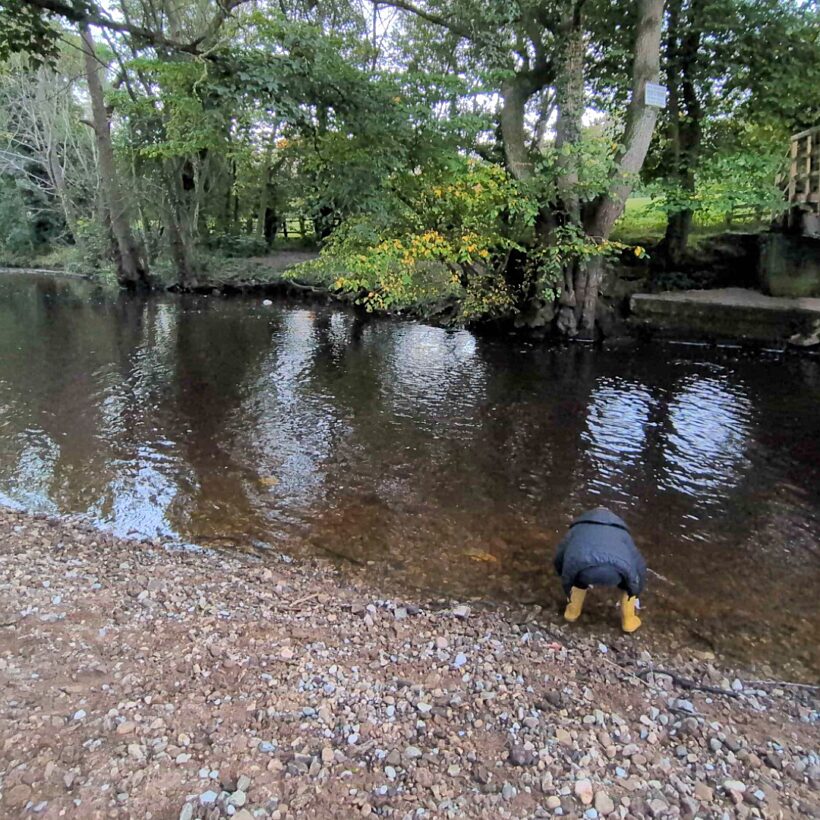
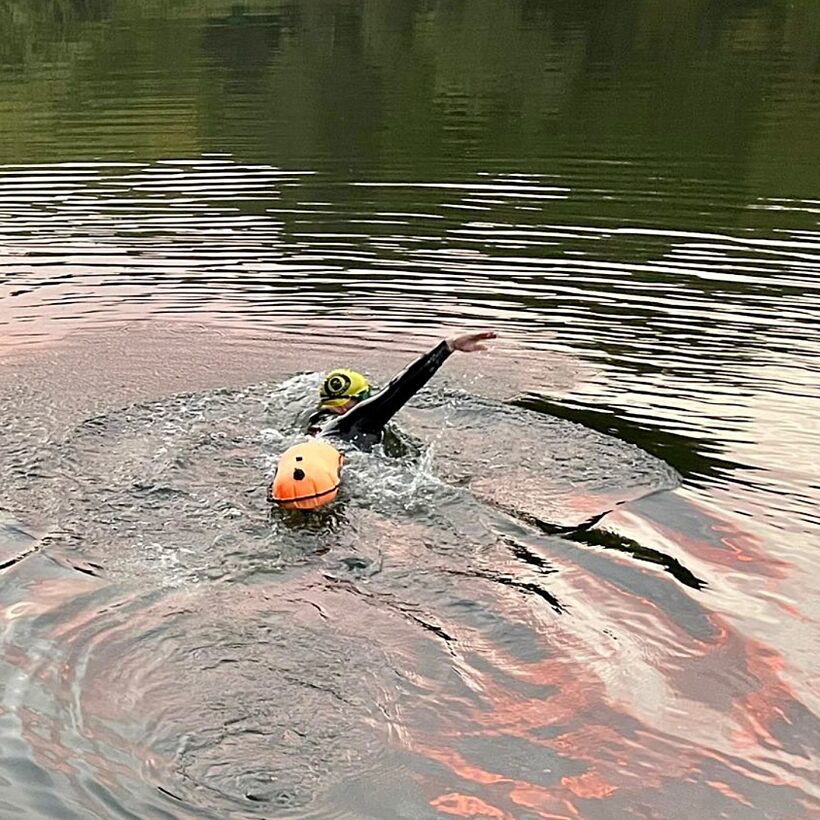
By spending just 15 minutes taking part in Big River Watch, getting outside, noticing the nature around you, and sharing your reflections in the app, you're not only helping protect our rivers, but supporting your own health. While we designed the Big River Watch to provide these benefits and opportunity, we also enjoy seeing how you choose to connect with our rivers. From paddling and swimming to angling or simply sitting by the water, our waterways offer countless ways to relax and recharge, and each moment spent by the water helps build a shared appreciation for these vital spaces that strengthens the movement to protect them.
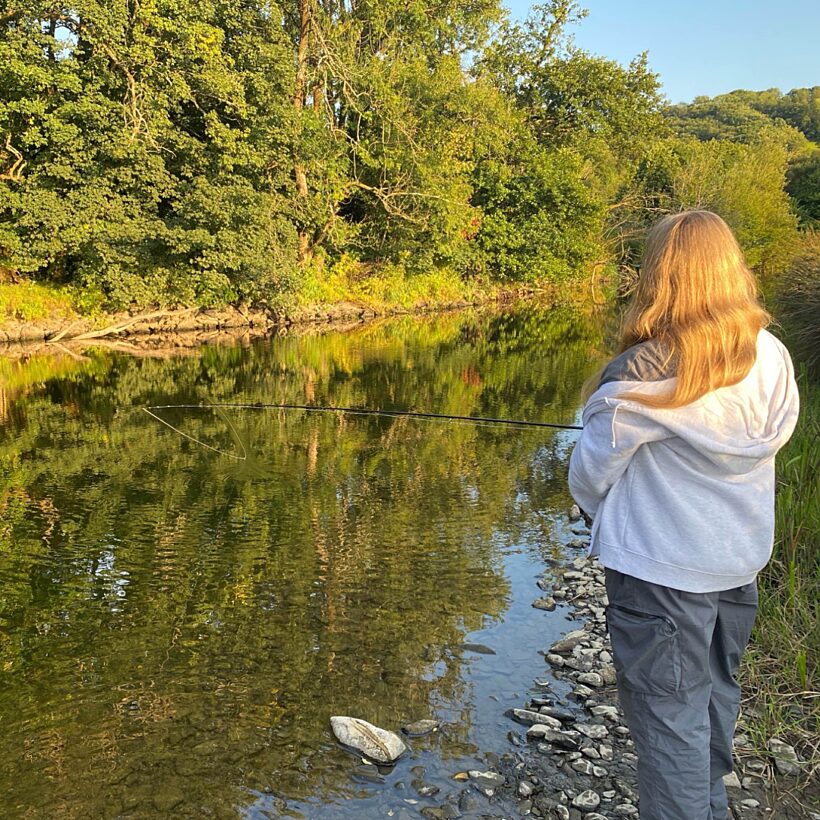
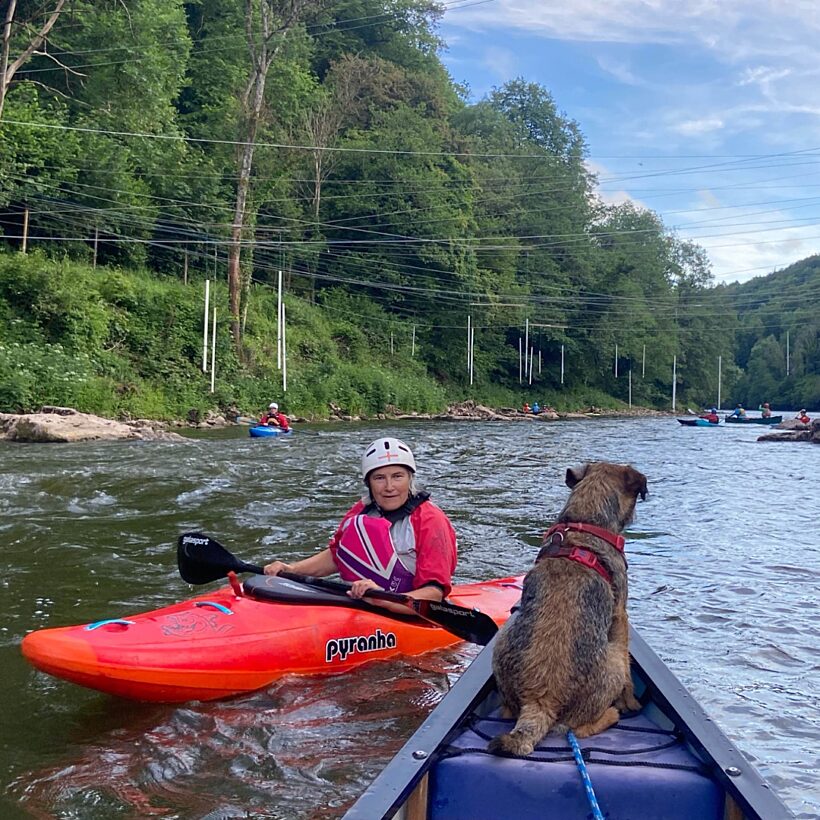
That's a wrap for Big River Watch 2025
A huge thank you to everyone who took part in Big River Watch this September and contributed to the ever-growing picture of river health across the UK and Ireland. We’re especially pleased to see how many of you are stepping into the world of citizen science for the first time through the Big River Watch. Even after five events, 36% of participants this autumn were brand new to citizen science, we love seeing people join the fight for healthier rivers.
You’ll have another chance to get involved in Spring 2026, but there are plenty of ways to make a difference for our rivers in the meantime:
- Find your local Trust: Many of our member Trusts offer hands-on volunteering like litter picks, tree planting, balsam bashing and riverfly monitoring. Find your local Trust here.
- Explore the data: Use our interactive data explorer to dive into survey results from all four Big River Watch events.
- Support Making Space for Water: Sign the petition and help create a network of nature-rich river corridors.
- Stay in touch: Sign up to our newsletter to keep up to date with our work, campaigns, and opportunities to help.
- Learn more: Read our State of Our Rivers Report to understand the key issues, the condition of our rivers, and what needs to be done to restore them.
- Register for Earthwatch's next Great UK WaterBlitz and combine your Spring 2026 Big River Watch with a further citizen science activity and test the water yourself.